About Eric Ridley
I’m Eric Ridley, a California estate planning attorney based in Port Hueneme. My practice is limited to living trusts and wills, trust administration, probate, and reviewing plans other lawyers wrote. I work with families across Ventura, Santa Barbara, and Los Angeles counties, and anywhere else in California by phone or video.
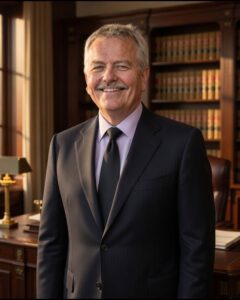
The reason I practice
My father died when I was twenty-five. He’d done what you’re supposed to do. He had a will and a trust, and he told us more than once that the family was taken care of.
His documents left everything to my stepmother, outright. Within a year she married a professor, a colleague of my father’s. Within two years she was gone too, and what she’d inherited was hers to leave. It went to her new husband.
I found out when I learned that my dad’s brand-new red sports car, the car he’d wanted his whole life, was going to him. The house and the savings went the same way. Thirty years of my father’s work ended up with his colleague.
Nobody did anything wrong. The documents did what they said. They didn’t do what my father believed they did. A trust that held his share for his children after she died would have kept it in the family.
Families usually find out which kind of plan they have only after someone dies.
Putting it off
Making a plan means picturing the world without you in it. That’s a hard thing to do on an ordinary afternoon, and it’s why so many signed plans sit on a shelf untouched. Most of us have time. None of us gets told whether we’re the exception.
How it works
- Talk to Eric. A free call, by phone or video.
- A plan built around your actual family. The second marriage, the adult child who handles money and the one who doesn’t, the sibling who might contest, the business a standard trust never mentions. None of that shows up on a form, and all of it decides how the plan is built.
- Funded before we’re done. I move your house into the trust and record the new deed with the county. You get a map showing how each account needs to be retitled and each beneficiary form updated. Then we review the plan every three years.
Who I work with
A couple in their late fifties in Camarillo, with the house nearly paid off, a rental, and brokerage accounts that have become the biggest thing they own. A business owner whose company is the estate. A blended family in Thousand Oaks trying to be fair to children from two marriages.
For most families the federal estate tax isn’t the issue. For the few it reaches, the exemption is $15 million per person in 2026, and we plan for it.
And more and more, people who already have a plan from ten years ago and wonder whether it would hold: whether the trust was ever funded, and whether the successor trustee is still the right person, still alive, and still willing.
What I don’t do is draft simple wills for simple estates, where California’s default rules would get the family most of the way there. If that’s you, I’ll tell you, and I won’t charge you for the conversation.
Flat fees, quoted first
My trust plans are a flat fee, quoted in writing before anything is drafted. You won’t get an hourly bill for the plan, or an invoice weeks later with charges you didn’t expect. The fee covers the documents, moving your house into the trust, the funding map for your accounts, and a review every three years for as long as we work together.
A small practice on purpose
I keep the practice small so I know every client by name and I’m the one accountable for the result. At bigger firms I’ve seen trusts sit unfunded because nobody followed up, and clients meet the attorney once and deal with staff after that. When you call, you get me.
My father’s plan needed someone asking, years after the signing, whether it still did what he meant. Nobody asked. I do.
Credentials
| Credential | Detail |
|---|---|
| Bar admission | State Bar of California, No. 273702; Supreme Court of California; U.S. District Court for the Central, Eastern, and Southern Districts of California |
| Practice opened | 2010 |
| Practice limited to | Living trusts & wills, trust administration, probate, and estate plan review & repair |
| Counties served | Ventura, Santa Barbara, and Los Angeles counties from Port Hueneme, and anywhere in California by phone or video |
| Professional memberships | American Academy of Estate Planning Attorneys (at least 36 hours of continuing legal education every year in estate planning, elder law, probate, and trust administration); Ventura County Bar Association; Beverly Hills Bar Association |
About Eric Ridley FAQs
Where is Eric Ridley’s office?
I’m based in Port Hueneme, and I meet every client by phone or video. Families in Ventura, Santa Barbara, and Los Angeles counties, and anywhere else in California, get the same attorney without the drive.
How long has Eric Ridley practiced estate planning?
I opened my practice in 2010, and today it’s limited to estate planning, trust administration, and probate. I’m licensed by the State Bar of California and a member of the American Academy of Estate Planning Attorneys.
Does Eric handle probate and trust administration, or only planning?
Both. I build living trusts and wills, and I help families through trust administration and probate after someone has died. If a simple will is all your situation needs, I’ll tell you that.
Want a straight read on where you stand?
Talk to Eric. A free call, no pitch. He’ll tell you where you’re exposed, what it would cost to fix, and what you can skip.
Talk to Eric