PARENTS & HOMEOWNERS: MY 7-STEP ESTATE PLANNING PROCESS WILL PROTECT YOUR HEIRS
From Creditors, Predators & Bad Choices, And Will Help You Become a (Bigger) Hero to Your Family!


The Importance of Durable Power of Attorney
I have spent years watching families struggle through some of the most difficult moments of their lives, and I can tell you from direct observation that one of the most devastating yet entirely preventable crises occurs when a loved one becomes incapacitated without a Durable Power of Attorney in place. It is a scenario that unfolds more often than most people realize: a parent suffers a sudden stroke, a spouse is involved in a catastrophic accident, or an aging relative’s cognitive decline accelerates overnight. Without the proper legal documents, the family is left scrambling, locked out of bank accounts, unable to pay bills, and forced into a costly, time-consuming court process just to manage the affairs of someone they love. I am writing this article because I believe every adult needs to understand what a Durable Power of Attorney is, why it matters, and how to ensure one is properly executed under current law. This is not merely a legal formality — it is one of the most important decisions you will ever make.
A Power of Attorney is a legal document that allows one person, known as the principal, to grant another person, known as the agent or attorney-in-fact, the authority to act on their behalf in financial, legal, and sometimes personal matters. The word “durable” is the critical distinction. A standard Power of Attorney automatically terminates if the principal becomes mentally incapacitated, which is precisely the moment when the document would be needed most. A Durable Power of Attorney, by contrast, includes specific statutory language ensuring that the authority granted to the agent survives the principal’s incapacity and remains in full effect.
How Durability Works Under Current Law
I want to emphasize how important that durability clause is. Under the laws of many states, including Florida, the document must explicitly state that the power of attorney is not terminated by the principal’s subsequent incapacity. Without that exact language, the document may be treated as a standard, non-durable instrument, rendering it useless in the very circumstances most people create it for. In Florida, the governing statute is Chapter 709 of the Florida Statutes, which sets out detailed requirements for valid execution and the scope of an agent’s authority. If you are creating or updating a Durable Power of Attorney in 2025 or 2026, I strongly encourage you to work with an attorney familiar with these specific statutory requirements, because even small errors in language or execution can invalidate the document entirely.
Immediate Effectiveness: No More Springing Powers
One of the most significant changes in Florida law, enacted after the 2011 reforms, is that Durable Powers of Attorney are effective immediately upon execution. Previously, it was common to create what was known as a “springing” Power of Attorney — one that only activated upon the occurrence of a specific event, typically the principal’s incapacity as certified by a physician. Florida law no longer permits springing Powers of Attorney. This means that the moment I sign a properly executed DPOA, my agent has the legal authority to act on my behalf. This change underscores the importance of selecting a trusted agent, since there is no built-in waiting period or trigger mechanism. The authority is live from the moment the ink dries. I know this might sound alarming, but in practice, it eliminates significant delays and disputes about whether and when incapacity has occurred, which were common problems under the old springing framework.
When considering the complexities of establishing a durable power of attorney, it’s beneficial to understand the broader context of estate planning. A related article that provides valuable insights is available at The Advantages of Working with a Local Estate Planning Lawyer. This resource highlights the importance of having professional guidance in navigating legal documents and ensuring that your wishes are accurately represented, which can be crucial when setting up a durable power of attorney.
Why a Durable Power of Attorney Is Essential
I cannot overstate the importance of having a Durable Power of Attorney in place. It is not a document reserved for the elderly or the chronically ill. Incapacity can strike anyone at any age, from a 25-year-old involved in a car accident to a 50-year-old who suffers a sudden medical emergency. Without this document, your family may have no legal mechanism to manage your finances, pay your mortgage, access your bank accounts, or handle your investments.
Avoiding the Guardianship Nightmare
The single most compelling reason I recommend a Durable Power of Attorney to every adult I know is that it helps avoid the guardianship process. If you become incapacitated without a DPOA, your family will likely need to petition a court to appoint a legal guardian over your person or your property, or both. Guardianship proceedings are expensive, often costing thousands of dollars in legal fees, court costs, and ongoing reporting requirements. They are also time-consuming, sometimes taking weeks or months to complete, during which your bills go unpaid, your assets sit frozen, and your family endures enormous stress. Perhaps most importantly, guardianship strips away your autonomy. A judge — someone who does not know you, your values, or your wishes — makes decisions about who will control your finances and how your affairs will be managed. A Durable Power of Attorney allows me to choose, in advance, who I trust to handle my affairs, preserving my independence and my voice even when I can no longer speak for myself.
Ensuring Financial Continuity
I have seen firsthand what happens when families cannot access a loved one’s bank accounts after a sudden incapacity. Bills pile up. Mortgage payments are missed. Utilities are shut off. Insurance lapses. Credit scores plummet. Investment opportunities are lost. A properly drafted DPOA gives my agent the authority to step in immediately, pay my bills, manage my bank accounts, handle real estate transactions, file tax returns, and conduct other financial business on my behalf without interruption. This continuity is not just convenient — it is essential for protecting my financial well-being and the well-being of my family.
Florida’s Specific Requirements for a Valid DPOA

Because I am writing with Florida’s 2026 legal landscape in mind, I want to be very clear about the execution requirements that must be followed to create a valid Durable Power of Attorney in this state. Florida is notably strict, and failure to comply with these requirements can result in a document that is entirely unenforceable.
Execution Formalities
Under Florida law, a valid DPOA must meet all of the following requirements. First, the principal must be at least 18 years old and mentally competent at the time of signing. Second, the document must be signed by the principal in the presence of two witnesses. Third, the principal’s signature must be notarized. Fourth, the document must contain the specific statutory language indicating that the power of attorney is durable and will not be affected by the principal’s subsequent incapacity. I want to stress that all four of these elements must be present. A document that is signed and notarized but not properly witnessed, for example, will not be valid. Similarly, a document that meets all the formality requirements but omits the durability language may be treated as a non-durable instrument.
The Problem with Out-of-State Forms
I frequently encounter individuals who have moved to Florida from another state and assume that their existing Power of Attorney will be honored without issue. This is a dangerous assumption. Out-of-state forms often fail to comply with Florida’s specific statutory requirements. They may lack the required number of witnesses, omit the necessary durability language, or include springing provisions that Florida no longer recognizes. While Florida law does provide some mechanism for recognizing out-of-state documents, compliance is not guaranteed, and banks and financial institutions in Florida are well within their rights to reject a document that does not meet the state’s standards. If you have relocated to Florida or own property here, I strongly recommend having a Florida-specific DPOA drafted by a local attorney.
Agent Authority and Its Legal Boundaries
While a well-drafted Durable Power of Attorney can grant very broad authority to an agent, that authority is not unlimited. Florida Statutes Chapter 709 defines and constrains the powers that can be granted. Certain actions, such as creating or amending a trust, making gifts, or changing beneficiary designations, require specific, explicit authorization in the document itself. If the DPOA does not expressly grant these powers, the agent cannot exercise them, regardless of how broadly worded the general authority might appear. This is another reason why precision in drafting matters enormously. A generic, one-size-fits-all form downloaded from the internet may technically be valid but may fail to include the specific grants of authority that my agent will actually need to manage my affairs effectively.
Common Mistakes and How to Avoid Them
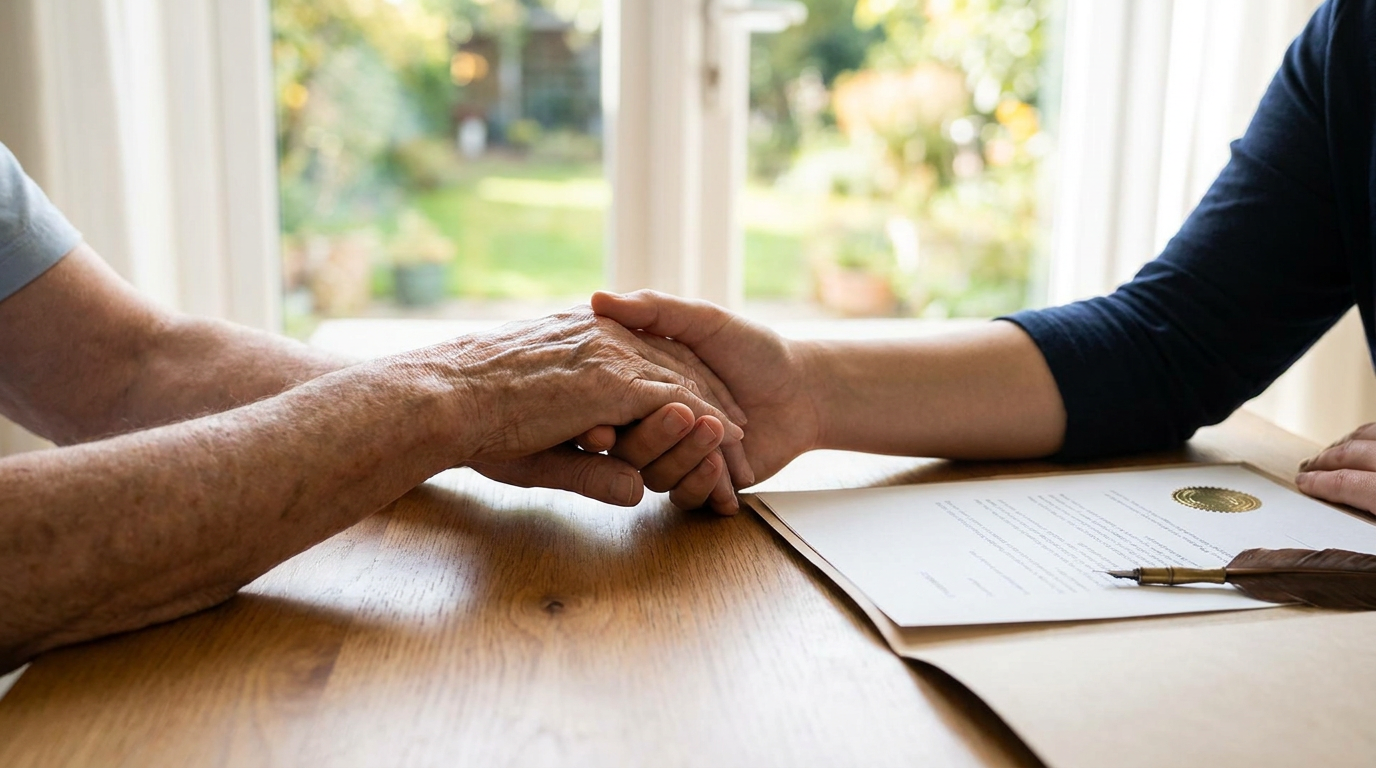
Over the years, I have observed several recurring mistakes that people make with their Durable Powers of Attorney, and I want to highlight them so you can avoid them.
Using Outdated Documents
If your DPOA was executed before Florida’s 2011 statutory changes, it may still be technically valid, but it could create complications. Financial institutions may be reluctant to accept older documents, and the scope of authority granted under pre-2011 law may differ from current standards. I recommend reviewing and updating any DPOA that is more than a few years old, and certainly any document executed before October 2011.
Choosing the Wrong Agent
Because Florida DPOAs are effective immediately upon execution, the choice of agent is arguably the most important decision in the entire process. I need to select someone I trust completely — someone who is not only honest and reliable but also capable of managing financial and legal matters competently. It is also wise to name one or more successor agents in case my primary agent is unable or unwilling to serve when the time comes.
Failing to Ensure Bank Acceptance
One of the most frustrating practical problems with Powers of Attorney is that banks and financial institutions sometimes refuse to honor them, even when the documents are perfectly valid. A well-drafted DPOA that closely tracks the statutory language of Chapter 709 and includes all the required formalities is far more likely to be accepted without pushback. Some attorneys also recommend presenting the DPOA to your financial institutions in advance to confirm acceptance before any emergency arises.
A durable power of attorney is an essential legal document that allows you to designate someone to make decisions on your behalf if you become incapacitated. Understanding the implications and benefits of this document can be crucial for effective estate planning. For more insights on related legal matters, you can explore an informative article about probate law and its significance in ensuring your wishes are honored. Check out this resource for further details on the topic: probate law.
Integrating Your DPOA into a Comprehensive Estate Plan
| Metrics | Data |
|---|---|
| Number of Durable Power of Attorney Documents | 100 |
| Percentage of Adults with Durable Power of Attorney | 40% |
| Top Reasons for Creating Durable Power of Attorney | Healthcare decisions, Financial management |
| Age Group with Highest Durable Power of Attorney Usage | 65 and older |
A Durable Power of Attorney is a vital document, but it does not operate in isolation. I view it as one essential component of a comprehensive estate plan that should also include a last will and testament or revocable living trust, a designation of health care surrogate, a living will, and possibly other documents depending on my individual circumstances.
Working with the Rest of Your Plan
My DPOA handles financial and legal matters during my lifetime, particularly in the event of incapacity. My health care surrogate designation addresses medical decisions. My will or trust governs the distribution of my assets after death. These documents work together as an integrated system, and they need to be consistent with one another. If my DPOA names one person as my financial agent while my trust names a different person as successor trustee, confusion and conflict can result. I make it a point to review all of these documents together, ideally with the guidance of an experienced estate planning attorney.
Keeping Documents Current
Life changes — marriages, divorces, births, deaths, relocations, changes in financial circumstances — can all affect the appropriateness of my existing estate planning documents. I review my DPOA and the rest of my estate plan at least every few years, and always after a major life event, to make sure everything remains current and reflects my wishes.
Final Thoughts: Act Before It Is Too Late
I will close with what I consider the most important piece of advice I can offer: do not wait. A Durable Power of Attorney can only be executed while you are mentally competent. Once incapacity has occurred, it is too late. The time to act is now, while you are healthy, clear-minded, and able to make thoughtful decisions about who should manage your affairs if you cannot. The cost of preparing a proper DPOA is modest compared to the financial and emotional devastation that can result from not having one. I have seen families torn apart by guardianship battles, seen estates diminished by legal fees that could have been avoided, and seen individuals lose control over their own lives because they never took the simple step of signing a single document. Please do not let that happen to you or to the people you love. Consult with a qualified attorney, get your Durable Power of Attorney in place, and give yourself and your family the peace of mind that comes with knowing you are prepared for whatever the future may hold.
FAQs
What is a durable power of attorney?
A durable power of attorney is a legal document that allows an individual (the principal) to appoint someone else (the agent or attorney-in-fact) to make financial and legal decisions on their behalf if they become incapacitated.
What are the benefits of having a durable power of attorney?
Having a durable power of attorney in place can provide peace of mind, as it ensures that someone the principal trusts will be able to manage their affairs if they are unable to do so themselves. It can also help avoid the need for a court-appointed guardian or conservator.
How is a durable power of attorney different from a regular power of attorney?
A regular power of attorney becomes invalid if the principal becomes incapacitated, whereas a durable power of attorney remains in effect. This makes the durable power of attorney a valuable tool for incapacity planning.
Who can create a durable power of attorney?
Any competent adult can create a durable power of attorney, provided they understand the implications of granting someone else the authority to make decisions on their behalf. It is important to consult with a legal professional to ensure the document is properly executed.
When does a durable power of attorney go into effect?
A durable power of attorney can go into effect immediately upon signing, or it can specify that it only becomes effective if the principal becomes incapacitated. This is known as a “springing” durable power of attorney.