

PARENTS & HOMEOWNERS: MY 7-STEP ESTATE PLANNING PROCESS WILL PROTECT YOUR HEIRS
From Creditors, Predators & Bad Choices, And Will Help You Become a (Bigger) Hero to Your Family!


Avoiding Family Estate Disputes in California
{
“@type”: “Article”,
“image”: “https://csuxjmfbwmkxiegfpljm.supabase.co/storage/v1/object/public/blog-images/organization-1174/1767571875094_image_1767571874456.png”,
“author”: {
“url”: “https://ridleylawoffices.com”,
“name”: “Ridleylawoffices”,
“@type”: “Organization”
},
“@context”: “http://schema.org”,
“headline”: “Avoiding Family Estate Disputes in California”,
“imageAlt”: “Family meeting about California estate planning“,
“publisher”: {
“url”: “https://ridleylawoffices.com”,
“name”: “Ridleylawoffices”,
“@type”: “Organization”
},
“inLanguage”: “en”,
“articleBody”: “Learn how to avoid family disputes over estate in California with clear legal strategies, trust creation, fair distribution, and communication tips.”,
“description”: “Learn how to avoid family disputes over estate in California with clear legal strategies, trust creation, fair distribution, and communication tips.”,
“datePublished”: “2026-01-05T00:12:05.682Z”
}
Nearly half of American families with substantial assets encounter costly estate disputes that challenge even close-knit California households. The risk of losing family unity or compromising your children’s future rises sharply without careful planning and clear communication. This guide reveals proven strategies to protect high-value estates, minimize misunderstandings, and secure financial confidence for your next generation.
Table of Contents
- Estate Disputes And Why They Happen
- Key Estate Planning Tools In California
- Choosing Trustees And Managing Roles
- Clear Distribution And Beneficiary Strategies
- Communication And Updating Your Estate Plan
- Common Mistakes And How To Avoid Them
Key Takeaways
| Point | Details |
|---|---|
| Proactive Estate Planning | Engage an estate planning attorney to develop comprehensive documents, minimizing future disputes and misunderstandings. |
| Regular Document Reviews | Schedule reviews of your estate plan every three to five years or after major life changes to ensure alignment with current wishes. |
| Clear Communication | Maintain open discussions with beneficiaries and trustees about your estate intentions to prevent potential conflicts. |
| Avoid Common Mistakes | Ensure beneficiary designations are updated and coordinated across all estate planning instruments to reflect your overall strategy. |
Estate disputes and why they happen
Estate disputes represent some of the most emotionally charged and financially complex legal challenges California families can face. These conflicts often emerge when clear communication and strategic planning are absent, leading to potentially devastating breakdowns in family relationships. Probate court processes in California reveal that most estate disputes stem from fundamental misunderstandings about property distribution and inheritance expectations.
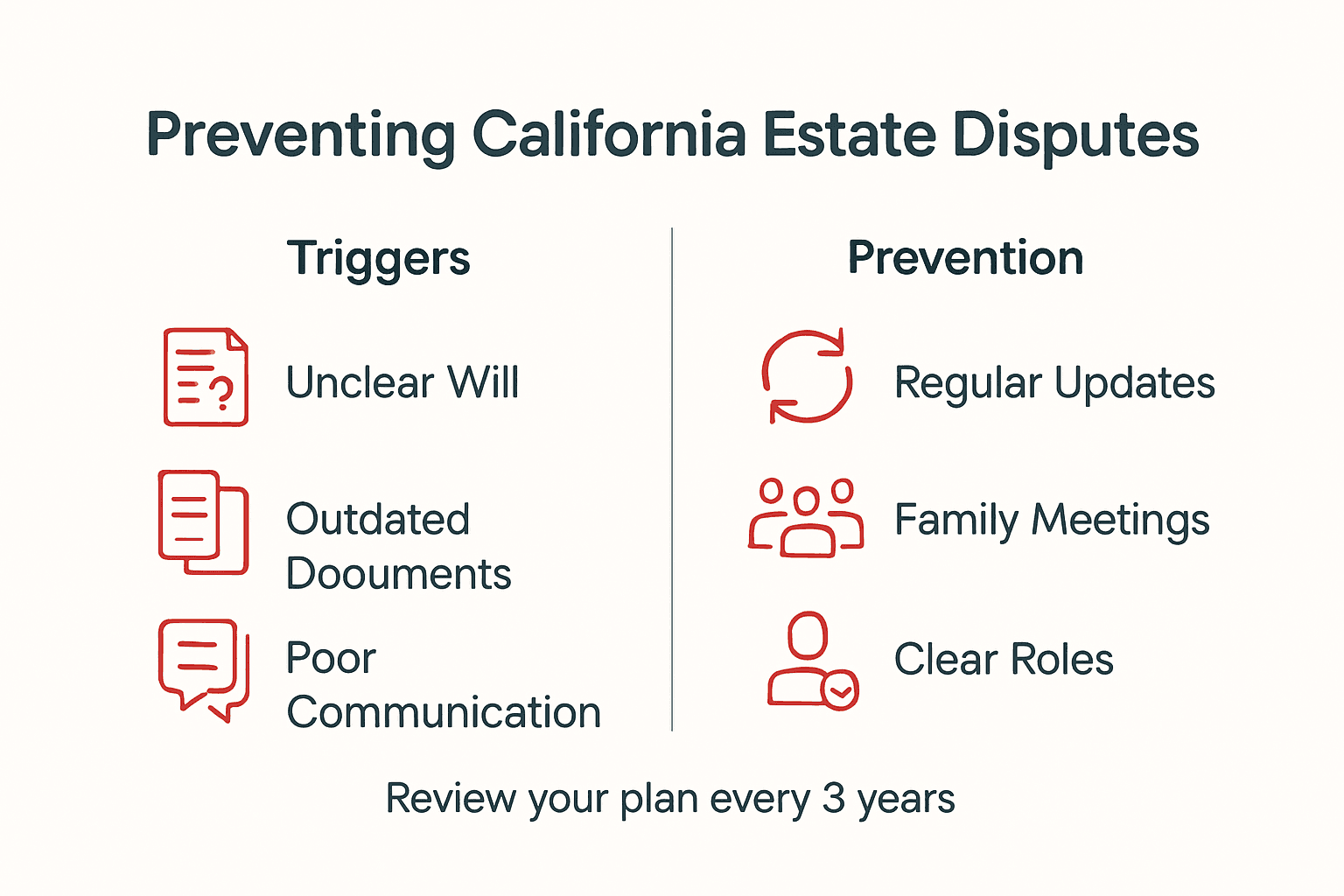
The primary triggers for estate disputes typically include unclear or outdated estate planning documents, ambiguous asset distribution instructions, and unresolved family dynamics. When a loved one passes away, tensions can quickly escalate around inheritance, particularly when significant financial assets or sentimental property are involved. Some common scenarios that spark conflicts include challenges to a will’s validity, disagreements about executor selections, and disputes over asset valuations.
California law recognizes several key scenarios where estate disputes are most likely to emerge. These include situations involving blended families, substantial family businesses, complex asset portfolios, and estates with significant real estate holdings. Sacramento Superior Court guidelines highlight that intestate estates without clear wills are especially prone to litigation, as state inheritance laws may produce outcomes dramatically different from the deceased’s unwritten intentions.
Here’s a quick reference for common estate dispute triggers and the types of property most often involved:
| Dispute Trigger | Examples of Property Involved | Typical Legal Challenge |
|---|---|---|
| Unclear or outdated will | Bank accounts, real estate | Will contest or litigation |
| Asset valuation disputes | Family businesses, collectibles | Disagreement on asset value |
| Executor selection issues | Whole estate, trust assets | Removal or challenge of executor |
| Blended family dynamics | Investment portfolios, homes | Disputes over inheritance rights |
Pro tip: Consult with an experienced estate planning attorney before finalizing your estate documents to identify and proactively address potential sources of family conflict.
Key estate planning tools in California
California residents have several powerful legal instruments available to protect their family’s financial future and ensure their final wishes are honored. Essential estate planning documents form the cornerstone of comprehensive wealth preservation and legacy planning, providing families with critical mechanisms to manage complex financial and personal decisions.
The primary estate planning tools in California include wills, trusts, powers of attorney, and advance health care directives. A will allows individuals to specify exact property distribution instructions and name guardians for minor children. Living trusts offer additional benefits by helping families avoid the time-consuming and expensive probate process, providing more privacy and allowing for more flexible asset management during incapacity or after death.
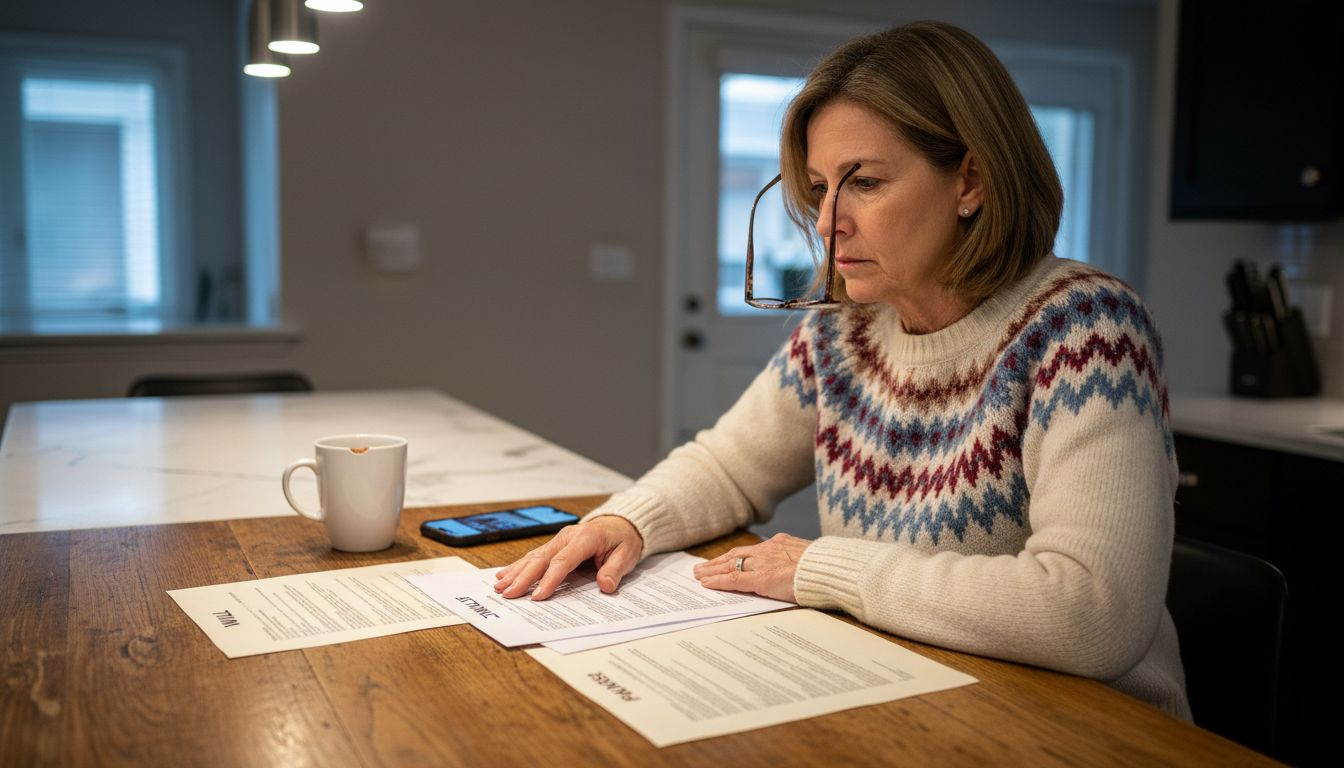
Powers of attorney represent another crucial estate planning tool, enabling individuals to designate trusted agents who can make financial and medical decisions on their behalf if they become unable to do so. California Courts recommend creating these documents well in advance, ensuring that your personal and financial interests remain protected even during unexpected health challenges. Each tool serves a unique purpose, working together to create a comprehensive strategy that minimizes potential family conflicts and legal complications.
Pro tip: Review and update your estate planning documents at least every three to five years or after major life events to ensure they continue to reflect your current wishes and family circumstances.
This summary compares California’s primary estate planning tools and their key advantages:
| Tool | Main Benefit | Best Use Case |
|---|---|---|
| Will | Clear instructions | Designate heirs, guardians |
| Living Trust | Probate avoidance | Complex assets or privacy needs |
| Power of Attorney | Third-party decisions | Incapacity or medical emergencies |
| Advance Directive | Health care wishes | End-of-life and medical choices |
Choosing trustees and managing roles
Selecting the right trustee is a critical decision that can significantly impact the successful administration of an estate plan. Probate trust resources emphasize that trustees bear substantial fiduciary responsibilities, managing and protecting assets for beneficiaries according to the original settlor’s precise instructions.
Ideal trustees typically possess a combination of key attributes: financial acumen, emotional intelligence, organizational skills, and a deep understanding of family dynamics. Family members are often considered, but they are not always the best choice. Professional trustees like attorneys, financial advisors, or trust companies can provide impartial management, especially in complex estates or situations with potential family tensions. When selecting a trustee, consider their ability to make objective decisions, manage potential conflicts, and navigate intricate legal and financial requirements.
California Probate Court guidelines highlight specific legal obligations trustees must fulfill. These include prudent investment management, transparent communication with beneficiaries, maintaining accurate financial records, and strictly adhering to the trust’s established guidelines. Trustees must avoid conflicts of interest and can be legally challenged if they breach their fiduciary duties. Potential trustees should be willing to dedicate significant time, possess strong organizational skills, and demonstrate the emotional maturity to manage potentially sensitive family dynamics.
Pro tip: Consider interviewing potential trustees and clearly discuss expectations, time commitments, and potential compensation to ensure mutual understanding before making a final selection.
Clear distribution and beneficiary strategies
Effective estate planning requires strategic and transparent approaches to asset distribution that minimize potential family conflicts. California estate planning guidelines emphasize the critical importance of creating comprehensive beneficiary designations that clearly communicate the settlor’s intentions across all financial assets, including retirement accounts, life insurance policies, and investment portfolios.
Distribution strategies should go beyond simple equal division, recognizing that fair distribution does not always mean identical allocation. Factors such as individual beneficiary needs, financial responsibilities, and potential future challenges must be carefully considered. Some families opt for staggered distributions, where beneficiaries receive assets at different life stages or upon meeting specific milestones. This approach can help protect younger or financially inexperienced heirs from potential financial mismanagement while ensuring their long-term financial stability.
Estate planning resources recommend creating detailed documentation that explicitly outlines asset distribution intentions. This includes specifying not just who receives assets, but also the conditions, timing, and potential restrictions. Trusts can be particularly powerful tools in this process, allowing for more nuanced control over asset distribution. For instance, trusts can include provisions for education expenses, healthcare needs, or protecting assets from potential creditors or divorce settlements.
Pro tip: Conduct family conversations about your estate plan to ensure transparency and reduce the likelihood of future misunderstandings or disputes.
Communication and updating your estate plan
Legal estate planning documents require consistent review and strategic communication to remain effective and responsive to changing family dynamics. Estate plans are not static documents but living frameworks that must evolve with life’s significant transitions, such as marriages, divorces, births, deaths, and substantial financial changes.
Open and transparent communication serves as the foundation for preventing potential family conflicts. This means having candid conversations with potential beneficiaries, trustees, and executors about your estate planning intentions. Explaining the reasoning behind specific distribution strategies can help minimize misunderstandings and reduce the likelihood of future disputes. Family members should understand not just the logistics of asset distribution, but the underlying values and considerations that shaped your decisions.
California financial protection guidelines recommend creating a structured approach to estate plan updates. Develop a systematic review process that includes annual assessments of your estate documents, ensuring they accurately reflect your current financial situation and family circumstances. Key triggers for updates might include significant changes in net worth, the acquisition or sale of major assets, changes in tax laws, or shifts in family composition such as marriages, divorces, or the birth of children.
Pro tip: Schedule a comprehensive estate plan review with a professional advisor every three to five years, or immediately after major life events that could impact your financial or family structure.
Common mistakes and how to avoid them
Estate planning legal documents reveal numerous critical mistakes that California families frequently make when developing their estate plans. One of the most significant errors is creating a will without understanding its limitations, particularly the mandatory probate process that can consume significant time and financial resources. Many individuals mistakenly believe a simple will provides comprehensive protection for their assets and family, when in reality, it offers minimal strategic advantages.
Another prevalent mistake involves inadequate beneficiary designations and poor coordination between different estate planning instruments. Retirement accounts, life insurance policies, and investment portfolios often require separate beneficiary nominations that must align with the overall estate strategy. Inconsistent or outdated beneficiary designations can lead to unintended asset distributions, potentially circumventing the carefully crafted intentions outlined in a will or trust.
California financial protection guidelines emphasize the critical importance of comprehensive incapacity planning. Many individuals overlook creating robust power of attorney documents and advance health care directives, leaving themselves vulnerable during potential periods of incapacitation. Without these critical documents, family members may face complex legal processes to make medical or financial decisions, potentially causing emotional and financial strain during already challenging times.
Pro tip: Consult with an estate planning professional annually to review and update your documents, ensuring they remain aligned with your current family and financial circumstances.
Protect Your Family Legacy and Prevent Estate Disputes Today
Family estate disputes often arise from unclear wills, outdated documents, or a lack of transparent communication. If you want to avoid costly probate delays and painful conflicts over asset distribution, it is essential to have a comprehensive estate plan tailored to California law. Key challenges like choosing the right trustee, clarifying beneficiary strategies, and ensuring your wishes are legally enforced demand professional guidance.
The Law Office of Eric Ridley specializes in helping families create clear, effective estate plans that address these concerns head-on. Our focus on Estate Planning | Wills & Trusts ensures you benefit from expert assistance in will drafting, trust creation, and probate avoidance — crucial steps to protect your family’s future.

Don’t leave your family vulnerable to misunderstanding and conflict. Visit https://ridleylawoffices.com now to secure your legacy with trusted advice and personalized estate solutions. Take control of your estate planning today and give your family the peace of mind they deserve.
Frequently Asked Questions
What are common triggers for estate disputes among families?
Common triggers include unclear or outdated estate planning documents, ambiguous asset distribution instructions, unresolved family dynamics, challenges to a will’s validity, and disagreements over executor selections.
How can I prevent family conflicts regarding estate distribution?
Prevent conflicts by establishing clear and comprehensive estate planning documents, having open discussions with family members about your intentions, and regularly reviewing and updating your estate plan.
What are the key estate planning tools I should consider?
Key tools include wills, living trusts, powers of attorney, and advance health care directives. Each serves different purposes in managing and distributing your estate effectively.
How often should I update my estate planning documents?
You should review and update your estate planning documents at least every three to five years or immediately after major life events, such as marriages, divorces, or significant changes in your financial circumstances.
Recommended
- Avoiding Probate Disputes in California: Protect Your Wealth in 2025 – Law Office of Eric Ridley
- Avoiding Probate in California: Strategies for Families in 2025 – Law Office of Eric Ridley
- The Hidden Cost of “Leaving the House to the Kids” in California – Law Office of Eric Ridley
- What Is Probate Litigation? A California Family Guide for 2025 – Law Office of Eric Ridley
