

PARENTS & HOMEOWNERS: MY 7-STEP ESTATE PLANNING PROCESS WILL PROTECT YOUR HEIRS
From Creditors, Predators & Bad Choices, And Will Help You Become a (Bigger) Hero to Your Family!


California Guardianship Process—Protecting Children and Assets
{
“@type”: “Article”,
“image”: {
“url”: “https://csuxjmfbwmkxiegfpljm.supabase.co/storage/v1/object/public/blog-images/organization-1174/1765584585997_image_1765584585846.png”,
“@type”: “ImageObject”,
“description”: “Woman completing guardianship forms at home table”
},
“author”: {
“url”: “https://ridleylawoffices.com”,
“name”: “Ridleylawoffices”,
“@type”: “Organization”
},
“@context”: “https://schema.org”,
“headline”: “California Guardianship Process—Protecting Children and Assets”,
“publisher”: {
“url”: “https://ridleylawoffices.com”,
“name”: “Ridleylawoffices”,
“@type”: “Organization”
},
“inLanguage”: “en”,
“articleBody”: “California guardianship process explained: types, key legal steps, essential rights, financial risks, and tips for families securing children and wealth.”,
“description”: “California guardianship process explained: types, key legal steps, essential rights, financial risks, and tips for families securing children and wealth.”,
“datePublished”: “2025-12-13T00:10:14.358Z”
}
Over half a million American children depend on guardianships when their parents cannot provide care. Navigating the California legal system for guardianship can feel overwhelming, especially when every decision shapes a child’s future. Understanding how guardianships work, what responsibilities they bring, and how they impact both children and caretakers will help you ensure the best outcomes in these challenging situations.
Table of Contents
- What Is Guardianship in California Law
- Types of Guardianship and Key Differences
- The Step-By-Step California Guardianship Process
- Legal Requirements and Core Responsibilities
- Financial Risks and Protection Strategies
- Common Mistakes and Avoidable Pitfalls
Key Takeaways
| Point | Details |
|---|---|
| Guardianship Legal Definition | Guardianship allows a non-parent adult to care for a child when parental care is unavailable, ensuring the child’s protection. |
| Types of Guardianship | California recognizes guardianship of the person for caregiving and guardianship of the estate for financial management. |
| Guardianship Process | The guardianship process involves filing petitions, serving legal notice, and a court evaluation to determine the best interest of the child. |
| Legal Responsibilities | Guardians must meet legal obligations for the child’s welfare, including daily care, education, and regular court reporting. |
What Is Guardianship in California Law
A guardianship is a critical legal arrangement that allows a non-parent adult to obtain court authorization to care for and make decisions on behalf of a child when standard parental care is unavailable. In California, guardianship provides a structured legal mechanism for protecting vulnerable children who cannot be cared for by their biological parents.
Under California law, guardianships can be established through several scenarios: when parents are deceased, incapacitated, unable to provide care, or when child welfare professionals determine the child’s current living situation poses risks. The court carefully evaluates potential guardians to ensure they can provide a stable, nurturing environment that meets the child’s physical, emotional, and educational needs. This legal process involves comprehensive background checks, home evaluations, and thorough assessments of the proposed guardian’s capability to assume full parental responsibilities.
Guardianship differs significantly from adoption in that it preserves the legal relationship between the child and biological parents while transferring day-to-day care and decision-making authority to another responsible adult. Guardians typically have the power to make medical decisions, enroll the child in school, manage financial resources designated for the child’s care, and provide a consistent, supportive home environment. The ultimate goal is always the child’s best interests, ensuring they receive proper care, protection, and opportunities for healthy development during challenging family circumstances.
Types of Guardianship and Key Differences
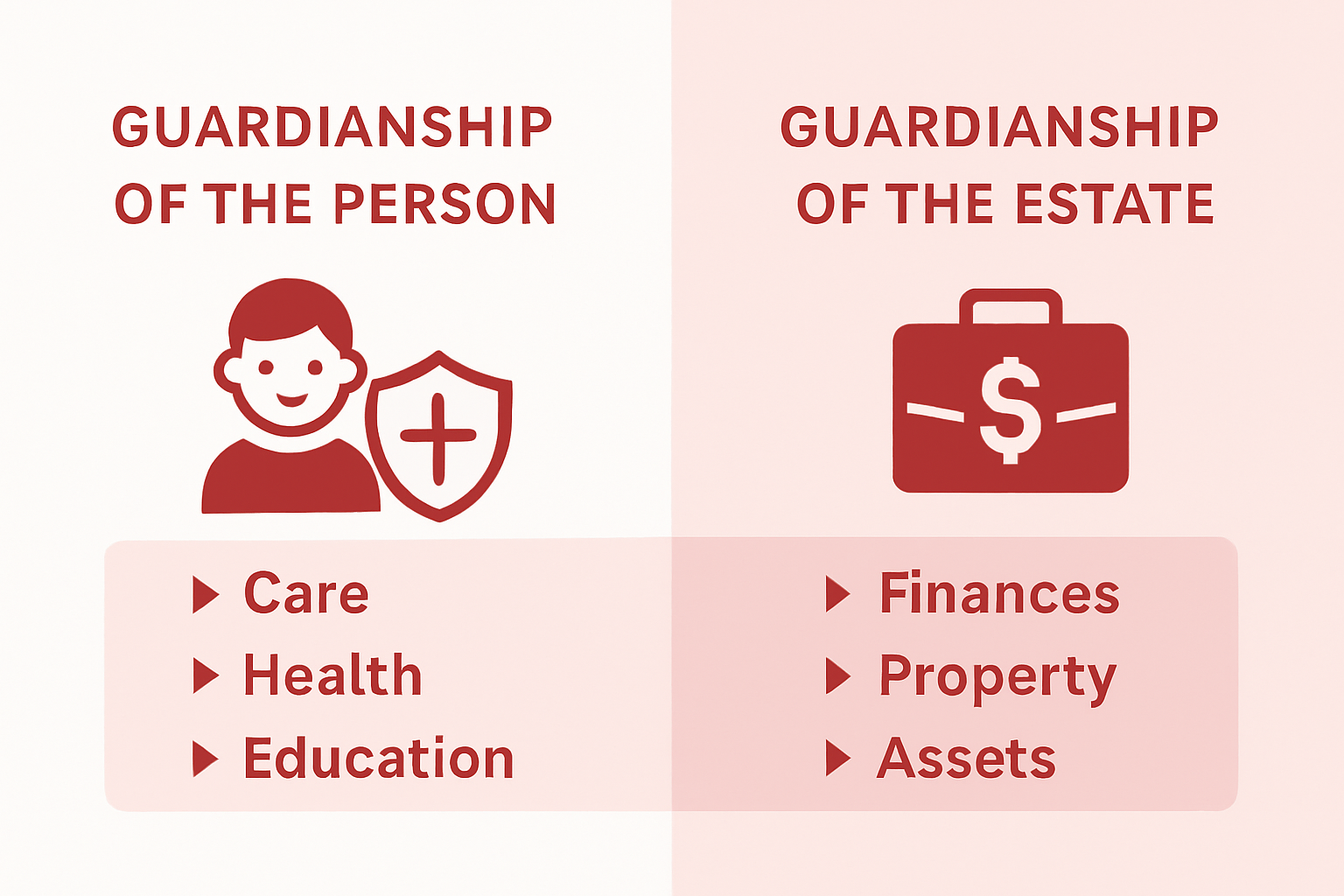
California law recognizes two primary types of guardianship: guardianship of the person and guardianship of the estate. These distinct legal arrangements serve different critical purposes in protecting children’s wellbeing and financial interests. The guardianship of the person focuses on the child’s physical care, living arrangements, and personal welfare, while the guardianship of the estate concentrates on managing the child’s financial resources and property until they reach legal adulthood.
In a guardianship of the person, the appointed guardian assumes full legal and physical custody of the child, making crucial decisions about education, healthcare, and daily living. This type of guardianship becomes essential when parents are unable to provide care due to circumstances such as serious illness, military deployment, incarceration, or other significant life challenges. The guardian essentially steps into the parents’ role, ensuring the child receives consistent care, emotional support, and maintains stability during potentially turbulent times.
Conversely, a guardianship of the estate is specifically designed to protect and manage a child’s financial assets. This might include inheritance, lawsuit settlements, insurance proceeds, or other monetary resources the child has acquired. The guardian of the estate has a fiduciary responsibility to manage these funds prudently, making investment decisions, paying bills, and protecting the child’s financial interests until they reach the age of 18. This type of guardianship is particularly crucial for protecting children who have inherited significant assets or received substantial financial settlements, ensuring their financial resources are preserved and used appropriately for their benefit.
The Step-By-Step California Guardianship Process
The California guardianship process is a structured legal pathway designed to protect children’s welfare and interests. This comprehensive legal process involves multiple critical stages that potential guardians must navigate carefully. Each step is meticulously designed to ensure the child’s safety, well-being, and the most appropriate placement with a responsible adult who can provide stable care and support.
Initiating the guardianship process requires several key actions. The prospective guardian must first complete and file the necessary court documents, which typically include a detailed petition outlining the reasons for seeking guardianship. Following the initial filing, legal notice must be served to all relevant family members, giving them an opportunity to respond or contest the guardianship petition. This notification ensures transparency and allows other potential interested parties to present their perspectives to the court.
The final stages of the guardianship process involve a comprehensive court investigation and a formal hearing. A court-appointed investigator will typically conduct a thorough assessment, which includes home visits, interviews with the potential guardian, and an evaluation of the child’s current living situation and potential needs. During the court hearing, a judge will carefully review all submitted evidence, investigate the child’s best interests, and make a final determination about the guardianship. This judicial review is crucial, as it provides a final safeguard to ensure the child will be placed in the most appropriate and supportive environment possible.

Legal Requirements and Core Responsibilities
In California, guardianship imposes significant legal responsibilities that extend far beyond simple caregiving. A guardian’s core legal duties encompass comprehensive oversight of a child’s physical, emotional, and developmental needs, creating a holistic framework of protection and support. These responsibilities are legally mandated, requiring guardians to provide not just basic care, but also emotional stability and consistent nurturing environments.
The guardian of the person assumes profound responsibilities for the child’s day-to-day welfare. This includes providing essential life necessities such as food, clothing, shelter, education, and comprehensive medical and dental care. Beyond these fundamental requirements, guardians are legally obligated to ensure the child’s safety, emotional growth, and overall well-being. This means making critical decisions about education, healthcare, and personal development, always prioritizing the child’s best interests and maintaining their physical and psychological health.
Additionally, guardians must maintain meticulous documentation and remain accountable to the court system. This involves submitting annual reports detailing the child’s living conditions, health status, educational progress, and financial management. The court requires these reports to verify that the guardian continues to meet the child’s evolving needs and maintains the high standard of care initially established during the guardianship appointment. Failure to fulfill these legal responsibilities can result in court intervention, potential removal of guardianship, or other legal consequences that could dramatically impact the child’s stability and future.
Financial Risks and Protection Strategies
Guardianship involves complex financial responsibilities that extend far beyond simple caregiving. A guardian’s financial vulnerabilities can include potential personal liability for damages caused by the child and unexpected financial burdens associated with raising a dependent. These risks underscore the critical importance of comprehensive financial planning and risk mitigation strategies for anyone considering or currently serving as a guardian.
Guardians must be prepared for multiple financial scenarios that could potentially impact their personal resources. This includes the possibility of using personal funds to support the child if their inherited or assigned resources prove insufficient. Proper financial management requires establishing separate financial accounts, maintaining meticulous documentation of all expenditures, and creating transparent reporting mechanisms to demonstrate responsible stewardship of the child’s assets. Implementing robust financial protections might involve strategies such as establishing trusts, obtaining appropriate insurance coverage, and maintaining clear boundaries between personal and guardianship-related finances.
Additional protective measures include obtaining comprehensive liability insurance, creating detailed financial agreements that outline spending parameters, and developing contingency plans for unexpected expenses. Guardians should also consider consulting with financial and legal professionals who specialize in guardianship to develop tailored strategies that protect both the child’s assets and the guardian’s personal financial stability. Regular financial reviews, careful documentation, and proactive risk management are essential to navigating the complex financial landscape of guardianship while maintaining legal and ethical standards.
Common Mistakes and Avoidable Pitfalls
Navigating the California guardianship process requires careful attention to potential missteps that can compromise the child’s welfare and the guardian’s legal standing. Understanding common estate planning mistakes provides crucial insight into avoiding similar pitfalls in guardianship proceedings. One of the most significant errors potential guardians make is failing to thoroughly document their qualifications, financial stability, and ability to provide consistent care for the child.
Another critical mistake involves inadequate communication with biological family members and the court system. Guardians must maintain transparent relationships with all involved parties, including providing regular updates, maintaining detailed financial records, and being prepared for potential challenges to their guardianship status. Failing to establish clear boundaries, maintain proper documentation, or respond promptly to court requirements can quickly derail a guardianship arrangement and potentially jeopardize the child’s stability.
Potential guardians often underestimate the comprehensive nature of their responsibilities, which extend far beyond providing basic care. This includes understanding complex legal obligations, managing potential financial risks, and maintaining the child’s emotional and developmental needs. Some guardians mistakenly believe that once appointed, their position is permanent and uncontestable. In reality, courts regularly review guardianship arrangements and can modify or terminate them if the guardian fails to meet the child’s best interests or demonstrates an inability to provide appropriate care. Proactive preparation, continuous education, and a commitment to the child’s overall well-being are essential to successfully navigating the challenging landscape of legal guardianship.
Secure Your Child’s Future with Expert Guardianship and Estate Planning Support
Navigating the California guardianship process can feel overwhelming when you are tasked with protecting both a child’s well-being and their financial assets. This article highlights key challenges such as managing legal responsibilities, avoiding financial risks, and ensuring seamless care for the child. At the Law Offices of Eric Ridley, we understand the emotional weight and legal complexities involved in guardianship. We specialize in Estate Planning that complements guardianship arrangements, helping you safeguard your family’s legacy and protect young dependents from future uncertainties.

Don’t leave your family’s future to chance. Act now to create thorough estate plans and trusted legal structures that support your guardianship goals. Visit https://ridleylawoffices.com to learn how expert guidance can provide peace of mind. Discover tailored solutions including wills, trusts, and powers of attorney by exploring our Power of Attorney and Elder Law services. Secure stability for your family today with a trusted advisor by your side.
Frequently Asked Questions
What is guardianship in California law?
Guardianship in California is a legal arrangement that allows a non-parent adult to care for and make decisions on behalf of a child when parental care is unavailable. It aims to provide a stable environment for children in need of protection.
What are the types of guardianship recognized in California?
California recognizes two primary types of guardianship: guardianship of the person, which focuses on the child’s physical care and welfare, and guardianship of the estate, which manages the child’s financial resources and property until they reach adulthood.
What is the process for obtaining guardianship in California?
The guardianship process involves filing a petition with the court, serving notice to relevant family members, a court investigation, and a formal hearing where a judge assesses the best interests of the child before granting guardianship.
What are the legal responsibilities of a guardian in California?
A guardian in California has extensive legal responsibilities, including providing for the child’s basic needs, ensuring their education and medical care, and submitting annual reports to the court detailing the child’s welfare and the guardian’s management of their assets.
Recommended
- Estate Planning for Parents in California: Protecting Wealth in 2025 – Law Office of Eric Ridley
- Parents’ Guide to Choosing a Legal Guardian | How to Appoint a Guardian for Your Child if You Die
- Estate Planning Checklist 2025: Protecting California Families – Law Office of Eric Ridley
- Why Hire an Estate Planning Attorney in California 2025 – Law Office of Eric Ridley
- Parenting Through Divorce: Practical Strategies for Success – Mastering Conflict
