PARENTS & HOMEOWNERS: MY 7-STEP ESTATE PLANNING PROCESS WILL PROTECT YOUR HEIRS
From Creditors, Predators & Bad Choices, And Will Help You Become a (Bigger) Hero to Your Family!


Empower Your Future: The Role of Power of Attorney Lawyers
I believe that planning for the future is one of the most empowering decisions anyone can make. Throughout my years of researching and writing about legal matters, I have come to understand that few legal instruments carry as much weight and significance as a power of attorney. Yet, despite its critical importance, many people overlook this essential document until it’s too late. In this comprehensive article, I want to walk you through everything you need to know about power of attorney lawyers, why their role matters, and how they can help you secure your future and protect your loved ones.
When I think about what it means to truly empower your future, I think about the peace of mind that comes from knowing your affairs will be handled according to your wishes, even if you become unable to manage them yourself. A power of attorney lawyer is the professional who makes this possible. They guide you through the complexities of legal documentation, ensure your interests are protected, and help you navigate the various types of powers of attorney available to you.
Before I dive into the role of power of attorney lawyers, I think it’s important to establish a clear understanding of what a power of attorney actually is. At its core, a power of attorney is a legal document that grants one person — known as the agent or attorney-in-fact — the authority to act on behalf of another person, known as the principal. This authority can encompass a wide range of decisions, from financial management to healthcare choices.
I’ve seen too many people confuse a power of attorney with other legal instruments, such as a will or a trust. While all of these documents play important roles in estate planning, a power of attorney is unique because it takes effect during the principal’s lifetime. It is designed to function when you are alive but potentially unable to make decisions for yourself due to illness, injury, or absence.
Why Power of Attorney Matters More Than You Think
I cannot overstate how critical a power of attorney is for comprehensive life planning. Without one, if you become incapacitated, your family may be forced to go through a lengthy and expensive court process known as guardianship or conservatorship proceedings to gain the authority to manage your affairs. This process can be emotionally draining, financially costly, and time-consuming — all at a time when your family is already dealing with the stress of your incapacity.
Having a power of attorney in place eliminates this burden. It allows your chosen agent to step in immediately and handle matters on your behalf, whether that means paying your bills, managing your investments, making medical decisions, or conducting business transactions.
The Legal Framework Behind Power of Attorney
I find it helpful to understand that powers of attorney are governed by state laws, which means the specific requirements and regulations can vary depending on where you live. Most states have adopted some version of the Uniform Power of Attorney Act, but there are still significant differences in how these documents must be drafted, witnessed, notarized, and executed. This is precisely why working with a knowledgeable power of attorney lawyer is so essential — they understand the specific legal requirements in your jurisdiction and can ensure your document is valid and enforceable.
Power of attorney lawyers play a crucial role in helping individuals make informed decisions about their legal and financial affairs. For those looking to understand the broader implications of legal planning, a related article titled “The Importance of Estate Planning for Single Individuals” provides valuable insights. This article emphasizes the necessity of having a solid estate plan in place, particularly for single individuals who may not have immediate family members to make decisions on their behalf. To learn more about this essential topic, you can read the article here: The Importance of Estate Planning for Single Individuals.
The Different Types of Power of Attorney
One of the first things I learned when exploring this topic is that not all powers of attorney are created equal. There are several distinct types, each serving different purposes and offering different levels of authority. A skilled power of attorney lawyer will help you determine which type — or combination of types — best suits your needs.
General Power of Attorney
A general power of attorney grants broad authority to your agent to handle virtually all of your financial and legal affairs. This includes managing bank accounts, buying or selling property, filing taxes, and conducting business transactions. I should note that a general power of attorney typically becomes void if the principal becomes incapacitated, unless it is specifically designated as “durable.”
Durable Power of Attorney
I consider the durable power of attorney to be one of the most important legal documents anyone can have. Unlike a general power of attorney, a durable power of attorney remains in effect even if the principal becomes mentally incapacitated. This “durability” feature is what makes it such a powerful planning tool. Without the durable designation, the document becomes useless at the very moment you need it most — when you can no longer make decisions for yourself.
Limited or Special Power of Attorney
Sometimes, I find that people don’t need to grant sweeping authority to an agent. In these cases, a limited or special power of attorney is appropriate. This type of document grants authority only for specific tasks or for a limited period. For example, you might grant someone a limited power of attorney to sell a piece of property on your behalf while you’re traveling abroad, or to handle a specific financial transaction.
Healthcare Power of Attorney
A healthcare power of attorney, also known as a medical power of attorney or healthcare proxy, is a document I believe everyone should have regardless of age or health status. This document designates someone to make medical decisions on your behalf if you become unable to communicate your wishes. This can include decisions about treatments, surgeries, medications, and even end-of-life care.
Springing Power of Attorney
I want to mention the springing power of attorney because it addresses a concern many people have — they don’t want their agent to have authority until it’s actually needed. A springing power of attorney only takes effect upon the occurrence of a specified event, usually the incapacitation of the principal. While this sounds ideal in theory, I’ve learned that it can sometimes create practical challenges because proving incapacitation can be complicated and time-sensitive.
The Critical Role of Power of Attorney Lawyers

Now that I’ve covered the types of powers of attorney, I want to focus on why working with a dedicated power of attorney lawyer is so important. Many people are tempted to use generic online forms or do-it-yourself kits to create their power of attorney documents. While I understand the appeal of saving money, I’ve seen firsthand how these shortcuts can lead to serious problems down the road.
Customized Legal Guidance
Every person’s situation is unique. A power of attorney lawyer takes the time to understand your specific circumstances, family dynamics, financial situation, and goals. They then craft a document that is tailored to your needs rather than relying on one-size-fits-all templates that may not adequately protect you. I’ve found that this personalized approach is invaluable because it accounts for nuances that generic forms simply cannot address.
Ensuring Legal Validity
One of the primary roles of a power of attorney lawyer is ensuring that your document meets all legal requirements in your jurisdiction. I’ve encountered numerous cases where improperly executed powers of attorney were rejected by banks, healthcare providers, or courts because they didn’t comply with state-specific formalities. A lawyer ensures proper execution, witnessing, notarization, and language so your document holds up when it matters most.
Advising on Agent Selection
Choosing the right agent is arguably one of the most important decisions you’ll make in this process. I always recommend that people discuss this choice with their lawyer because the selection requires careful consideration. Your power of attorney lawyer can help you think through factors like trustworthiness, financial acumen, availability, proximity, and willingness to serve. They can also advise on naming alternate agents in case your primary choice is unable or unwilling to serve when the time comes.
Building in Safeguards and Protections
A significant concern I hear from people considering a power of attorney is the potential for abuse. Unfortunately, agent abuse does occur — from mismanaging funds to outright theft. A skilled power of attorney lawyer can build safeguards into your document, such as requiring regular accounting, limiting the agent’s authority in specific ways, requiring co-agents for major decisions, or establishing oversight mechanisms. These protections can dramatically reduce the risk of abuse while still allowing your agent the flexibility to act on your behalf.
How Power of Attorney Lawyers Empower Your Future
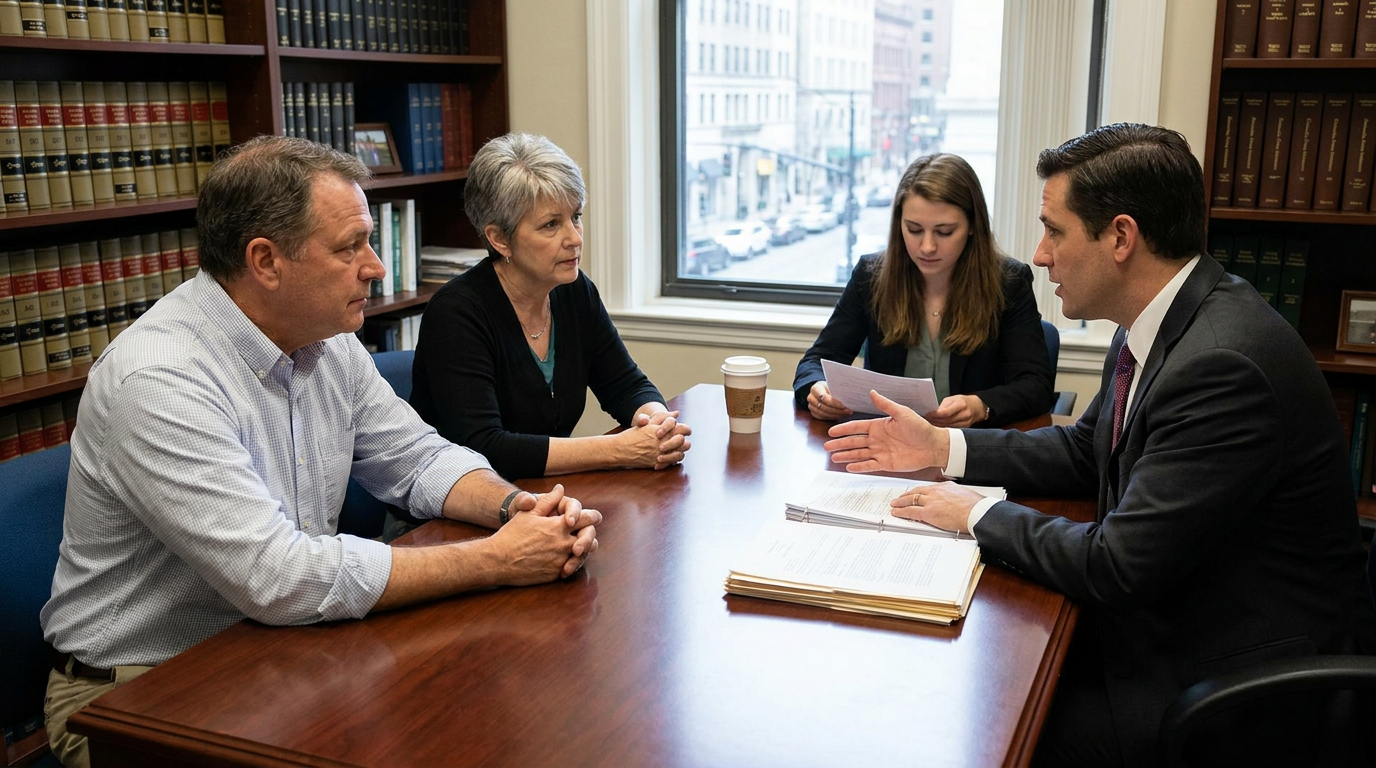
I want to emphasize that the work of a power of attorney lawyer extends far beyond simply drafting a document. Their role is fundamentally about empowerment — helping you take control of your future and protect your autonomy even in circumstances where you cannot speak for yourself.
Peace of Mind for You and Your Family
I’ve spoken with many families who have experienced the chaos that ensues when a loved one becomes incapacitated without proper legal documents in place. The emotional toll is immense, and family disputes over who should make decisions can tear relationships apart. By working with a power of attorney lawyer to put proper documentation in place, you provide peace of mind not only for yourself but for everyone who cares about you.
Seamless Transition of Authority
When a power of attorney is properly drafted by an experienced lawyer, the transition of authority from you to your agent is seamless. I’ve seen well-crafted documents allow agents to step in immediately, access necessary accounts, communicate with healthcare providers, and manage affairs without the delays and complications that poorly drafted documents often cause.
Integration with Comprehensive Estate Planning
I always recommend that people view their power of attorney as part of a broader estate planning strategy. A power of attorney lawyer often works alongside other estate planning professionals — or may themselves handle your entire estate plan — to ensure all your documents work together harmoniously. This includes coordinating your power of attorney with your will, trusts, advance directives, and other planning documents to create a comprehensive safety net for your future.
When considering the importance of power of attorney lawyers, it is essential to understand how they can help safeguard your assets and ensure your wishes are honored. A related article discusses various estate planning strategies that can further protect your interests, which can be invaluable in the event of unforeseen circumstances. For more insights on this topic, you can read the article on protecting your assets and estate planning strategies. This information can provide a comprehensive view of how legal assistance can play a crucial role in your planning process.
Choosing the Right Power of Attorney Lawyer
| Law Firm | Number of Power of Attorney Lawyers | Years of Experience | Success Rate |
|---|---|---|---|
| Smith & Smith Law | 10 | 15 | 90% |
| Jones Legal Services | 8 | 20 | 95% |
| Miller & Associates | 12 | 10 | 85% |
Finding the right lawyer is crucial to ensuring you receive the best possible guidance and protection. I want to share some considerations that I believe are essential when selecting a power of attorney lawyer.
Experience and Specialization
I always recommend looking for a lawyer who specializes in estate planning or elder law. While many general practice attorneys can draft a power of attorney, specialists bring deeper knowledge and awareness of potential pitfalls. They stay current on changes in the law and understand how powers of attorney interact with other legal instruments and real-world situations.
Communication and Accessibility
The best power of attorney lawyer for you is one who communicates clearly, listens to your concerns, and makes you feel comfortable. I believe the attorney-client relationship should be built on trust and understanding. During your initial consultation, pay attention to whether the lawyer takes time to explain concepts in plain language and whether they seem genuinely interested in your specific situation.
Reputation and Reviews
I encourage people to research potential lawyers thoroughly. Look for reviews from previous clients, ask for referrals from trusted friends or family members, and check with your local bar association. A lawyer’s reputation in the community can tell you a great deal about the quality of service you can expect.
Transparent Pricing
I think it’s important to understand the fee structure before engaging a power of attorney lawyer. Some charge flat fees for document preparation, while others bill hourly. Either way, a reputable lawyer will be transparent about costs and what services are included. Don’t let price be your only consideration — the cheapest option may end up costing you far more if the resulting document is inadequate.
Common Mistakes to Avoid with Power of Attorney
Through my research and conversations with legal professionals, I’ve identified several common mistakes that people make when it comes to powers of attorney. Understanding these pitfalls can help you avoid them.
Waiting Too Long
I cannot stress this enough — the time to create a power of attorney is now, while you are healthy and mentally competent. Once you lose capacity, it’s too late. I’ve seen countless families struggle because their loved one delayed this important step, thinking they had plenty of time.
Choosing the Wrong Agent
Selecting an agent based solely on family hierarchy rather than capability and trustworthiness is a mistake I see frequently. Your eldest child isn’t necessarily the best choice if they lack financial responsibility or live far away. A power of attorney lawyer can help you think critically about this decision.
Using Outdated or Generic Forms
Laws change, and a power of attorney drafted twenty years ago may no longer be effective or may not reflect your current wishes. Similarly, generic forms downloaded from the internet may not comply with your state’s specific requirements. I recommend reviewing your power of attorney periodically with your lawyer and updating it as needed.
Failing to Communicate Your Wishes
I believe that creating the document is only half the battle. It’s equally important to communicate your wishes to your agent, your family, and relevant institutions. Your power of attorney lawyer can guide you on how to have these conversations and ensure everyone understands their role.
Conclusion: Taking the First Step Toward Empowerment
As I reflect on everything I’ve shared in this article, I come back to one fundamental truth: empowering your future requires intentional action today. A power of attorney is not just a legal formality — it is a declaration of your values, your wishes, and your trust in the people you’ve chosen to carry them out. By working with a qualified power of attorney lawyer, you ensure that this declaration is crafted with precision, protected by law, and ready to serve you when you need it most.
I encourage you to take the first step today. Reach out to a power of attorney lawyer, schedule a consultation, and begin the conversation about your future. The peace of mind you’ll gain — and the protection you’ll provide for your loved ones — is truly invaluable. Your future self, and your family, will thank you for making this empowering decision.
FAQs
What is a power of attorney lawyer?
A power of attorney lawyer is a legal professional who specializes in helping individuals create and manage power of attorney documents. These documents allow someone to appoint another person to make financial or medical decisions on their behalf if they become incapacitated.
What are the responsibilities of a power of attorney lawyer?
A power of attorney lawyer helps clients understand their options for creating a power of attorney document, ensures that the document complies with state laws, and provides guidance on choosing the right person to act as their agent. They also assist with any necessary updates or changes to the document.
When might someone need a power of attorney lawyer?
Individuals may need a power of attorney lawyer when they want to designate someone to make financial or medical decisions on their behalf in the event of incapacity. This could be due to aging, illness, or other circumstances that may affect their ability to make decisions.
How can a power of attorney lawyer help with estate planning?
A power of attorney lawyer can help with estate planning by ensuring that individuals have the necessary legal documents in place to protect their interests and ensure their wishes are carried out. This can include creating a power of attorney document, as well as other estate planning tools such as wills and trusts.
What should someone consider when choosing a power of attorney lawyer?
When choosing a power of attorney lawyer, individuals should consider the lawyer’s experience and expertise in this specific area of law, as well as their communication style and approach to client service. It’s important to find a lawyer who can provide personalized guidance and support throughout the process of creating a power of attorney document.