

PARENTS & HOMEOWNERS: MY 7-STEP ESTATE PLANNING PROCESS WILL PROTECT YOUR HEIRS
From Creditors, Predators & Bad Choices, And Will Help You Become a (Bigger) Hero to Your Family!


Estate Planning 2025: Protecting California Families Now
Over half of American adults lack an updated estate plan, leaving families at risk of costly legal battles and unexpected tax burdens. As life grows more complex in 2025, modern estate planning has become a necessity for protecting hard-earned wealth and family legacies. If you want to prevent mistakes that can drain your assets or spark family disputes, understanding the latest strategies and California regulations is crucial for every American household.
Table of Contents
- Estate Planning in 2025: Definition and Core Concepts
- Types of California Estate Plans and Key Differences
- New Estate Planning Laws and Probate Rules in California
- Common Pitfalls: Outdated Wills, Family Conflicts, and Probate
- Financial, Tax, and Asset Protection Implications
Key Takeaways
| Point | Details |
|---|---|
| Comprehensive Estate Planning | Estate planning in 2025 requires a holistic approach, utilizing tools like wills, trusts, and healthcare directives tailored to individual family needs. |
| California-Specific Strategies | California families should understand key estate planning tools such as living trusts, which provide immediate asset management and avoid probate. |
| Staying Informed on Legal Changes | Recent legislative developments impact asset protection and tax regulations, necessitating ongoing awareness and professional guidance for effective estate planning. |
| Avoiding Common Pitfalls | Families must proactively avoid mistakes like outdated wills and incomplete plans to prevent legal disputes and unintended financial consequences. |
Estate Planning in 2025: Definition and Core Concepts
Estate planning represents a strategic approach to managing and protecting an individual’s assets, financial resources, and family legacy both during life and after death. At its core, estate planning involves anticipating and arranging for comprehensive asset management that minimizes financial uncertainties while maximizing wealth preservation for future generations.
In 2025, estate planning has evolved to become a sophisticated financial strategy that goes far beyond simple will creation. Modern estate planning encompasses complex legal tools and financial mechanisms designed to protect families from potential tax liabilities, legal complications, and unexpected financial challenges. The primary objectives include ensuring smooth asset transfer, minimizing tax burdens, protecting minor children’s financial futures, and maintaining family wealth across generations.
Key components of contemporary estate planning include:
- Comprehensive will documentation
- Trust establishment and management
- Advanced healthcare directives
- Financial power of attorney
- Strategic tax planning strategies
- Guardianship designations for minor children
Successful estate planning in 2025 requires a holistic approach that adapts to changing family dynamics, evolving legal landscapes, and individual financial circumstances. Comprehensive estate planning strategies recognize that each family’s needs are unique, demanding personalized solutions that protect both financial assets and family relationships.
Types of California Estate Plans and Key Differences
Comprehensive estate planning strategies in California encompass multiple legal frameworks designed to protect assets, minimize tax liabilities, and ensure smooth wealth transfer. Understanding the nuanced differences between various estate planning tools is crucial for families seeking comprehensive financial protection in 2025.
The primary types of California estate plans include living trusts, wills, advanced healthcare directives, and power of attorney documents. Each plan serves distinct purposes and offers unique advantages. California estate planning workflows have evolved significantly, incorporating sophisticated legal mechanisms that provide more flexible and personalized asset management strategies.
Key differences among estate planning tools include:
- Living Trusts
- Provide immediate asset management
- Avoid probate court proceedings
- Offer greater privacy protection
- Wills
- Require probate court validation
- Public document accessible to anyone
- Less complex asset transfer mechanism
- Healthcare Directives
- Specify medical treatment preferences
- Designate medical decision makers
- Activate during incapacitation
California families must carefully evaluate their unique financial circumstances, family dynamics, and long-term goals when selecting an estate planning approach. Working with experienced legal professionals helps navigate the complex landscape of estate planning, ensuring comprehensive protection for family wealth and personal wishes.

New Estate Planning Laws and Probate Rules in California
The impact of California laws on estate planning has become increasingly complex, requiring families to stay informed about recent legislative changes that significantly affect asset protection and wealth transfer strategies. In 2025, California continues to introduce nuanced legal modifications that demand careful consideration from property owners and estate planners.
Key legislative developments in California’s estate planning landscape include substantial updates to probate procedures, inheritance tax regulations, and asset protection mechanisms. These changes reflect a growing recognition of the need for more flexible and comprehensive estate planning frameworks that address the evolving financial challenges faced by California families.
Most significant recent changes include:
- Streamlined probate processes for smaller estates
- Enhanced protection for digital assets
- More robust healthcare directive regulations
- Expanded rights for blended family inheritance
- Increased safeguards against elder financial abuse
Families must now navigate a more intricate legal environment that requires proactive planning and professional guidance. California’s probate process has undergone significant refinement, creating both opportunities and challenges for estate planners seeking to protect their family’s financial future. Staying informed and working with experienced legal professionals becomes crucial in effectively managing these complex new regulatory landscapes.
Common Pitfalls: Outdated Wills, Family Conflicts, and Probate
The pitfalls of DIY trusts represent a significant risk for California families attempting to manage estate planning without professional guidance. Outdated wills, poorly constructed legal documents, and incomplete estate plans can create devastating consequences that extend far beyond simple financial complications.
The most common estate planning mistakes families encounter include inadequate asset documentation, failure to update beneficiary designations, and incomplete guardianship provisions. These critical oversights can trigger complex legal battles, unexpected tax liabilities, and potentially destructive family conflicts that can permanently damage relationships and drain substantial financial resources.
Key risks families must proactively address include:
- Unintended asset distribution
- Potential tax penalties
- Guardianship uncertainties
- Unexpected probate challenges
- Potential family litigation
How probate works in California reveals the intricate legal landscape that can quickly transform a well-intentioned estate plan into a costly, time-consuming process. Professional legal guidance becomes essential in navigating these complex regulations, ensuring that families can protect their legacy and minimize potential conflicts among heirs and beneficiaries.
Financial, Tax, and Asset Protection Implications
Asset protection strategies for California families have become increasingly sophisticated in 2025, addressing complex financial challenges that extend far beyond traditional estate planning approaches. Families must now navigate an intricate landscape of tax regulations, legal protections, and strategic wealth preservation techniques.
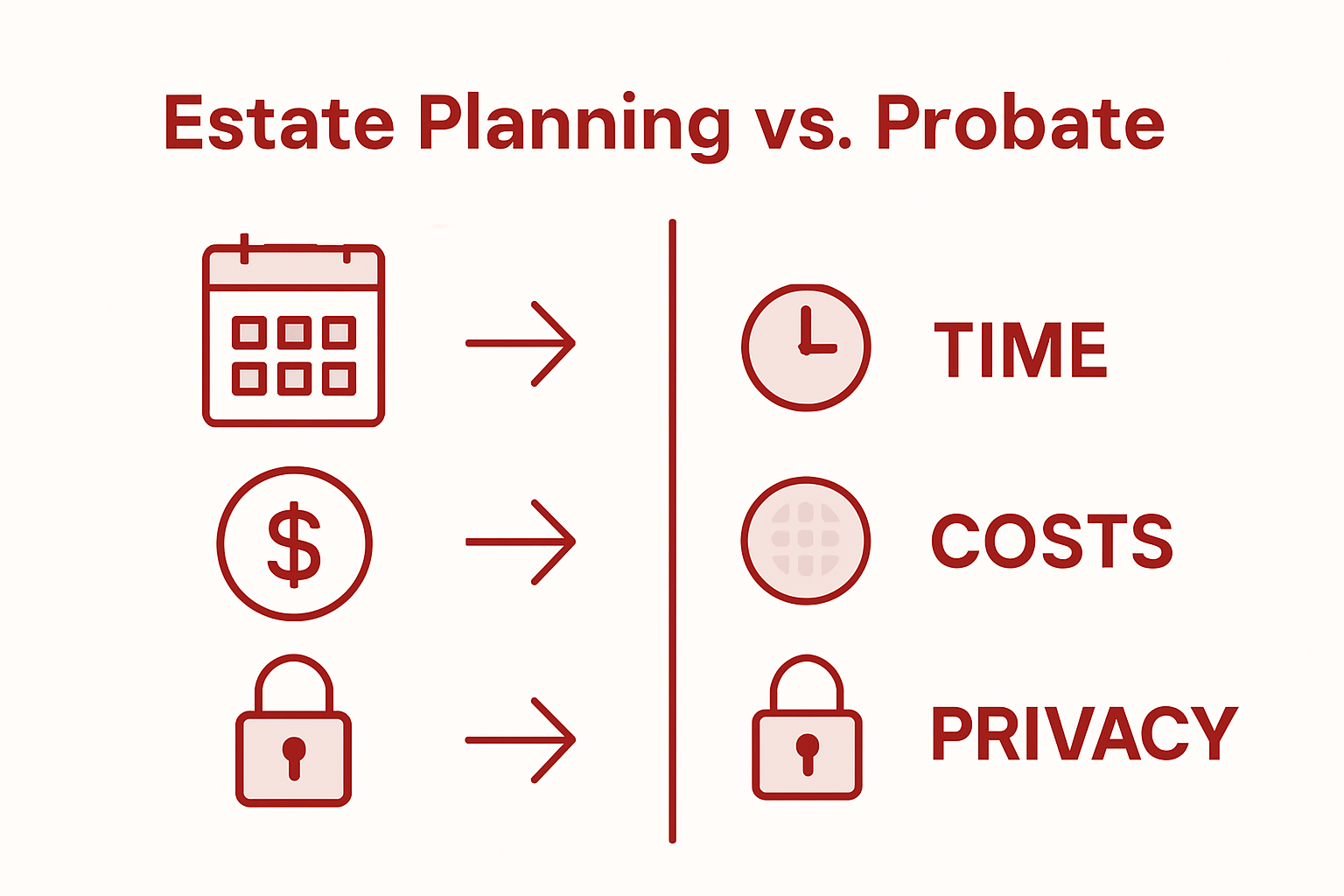
The most critical financial implications for estate planning revolve around strategic tax minimization, asset shielding, and generational wealth transfer. Comprehensive estate tax planning reveals multiple strategies families can employ to protect their financial legacy from unnecessary taxation and potential legal vulnerabilities.
Key financial protection strategies include:
- Establishing irrevocable trusts
- Implementing gifting strategies
- Creating family limited partnerships
- Utilizing retirement account protections
- Developing comprehensive insurance coverage
Navigating these complex financial landscapes requires a nuanced understanding of California’s evolving legal frameworks. Professional guidance becomes essential in crafting personalized strategies that balance asset protection, tax efficiency, and long-term family financial security.
Secure Your Family’s Future with Trusted Estate Planning in California
Estate planning in 2025 presents many challenges including navigating updated probate rules, avoiding common pitfalls like outdated wills, and protecting assets from unexpected legal and tax problems. If you want to prevent family conflicts, reduce costly delays, and ensure your legacy is preserved exactly as you intend, expert guidance is essential. Our focus on comprehensive estate protection means you can feel confident that your plans are tailored to your unique family dynamics and financial goals.
Explore effective solutions like properly drafted wills, living trusts, and advanced directives by visiting our Power of Attorney services or get help addressing elder law concerns through our Elder Law category.

Don’t wait until it’s too late to safeguard what matters most. Contact the Law Offices of Eric Ridley today to start your personalized estate plan and protect your family’s future with confidence.
Frequently Asked Questions
What is estate planning?
Estate planning is a strategic approach to managing and protecting an individual’s assets and family legacy during life and after death, including the use of comprehensive asset management tools to minimize financial uncertainties and preserve wealth for future generations.
Why is a living trust preferred over a will?
A living trust provides immediate asset management, avoids probate court proceedings, and offers greater privacy protection, while a will requires probate court validation and is a public document accessible to anyone.
What are the potential risks of outdated estate planning documents?
Outdated wills and incomplete estate plans could lead to unintended asset distribution, tax penalties, guardianship uncertainties, unexpected probate challenges, and potential family litigation, resulting in financial losses and damaged relationships.
How can families minimize tax liabilities in their estate planning?
Families can minimize tax liabilities by employing strategies such as establishing irrevocable trusts, implementing gifting strategies, creating family limited partnerships, utilizing retirement account protections, and developing comprehensive insurance coverage.
Recommended
- Estate Planning for Parents in California: Protecting Wealth in 2025 – Law Office of Eric Ridley
- Estate Planning for Families in California: Protecting Wealth in 2025 – Law Office of Eric Ridley
- Estate Planning Checklist 2025: Protecting California Families – Law Office of Eric Ridley
- Estate Planning Basics in California: Protect Your Family in 2025 – Law Office of Eric Ridley
- Essential House Moving Checklist for Seniors in 2025 | Schott Removals
