PARENTS & HOMEOWNERS: MY 7-STEP ESTATE PLANNING PROCESS WILL PROTECT YOUR HEIRS
From Creditors, Predators & Bad Choices, And Will Help You Become a (Bigger) Hero to Your Family!


Navigating Estate Administration: Expert Attorneys to Guide You
When I lost a close family member a few years ago, I quickly discovered that grief was only the beginning. Almost immediately, I found myself buried under a mountain of legal documents, tax forms, court deadlines, and financial obligations that I never anticipated. Estate administration—the complex process of settling a deceased person’s affairs—turned out to be one of the most challenging experiences of my life. It was only after I engaged an expert estate administration attorney that I began to see a clear path forward. Through that journey, I learned invaluable lessons about why professional legal guidance isn’t just helpful during estate administration—it’s essential.
In this article, I want to share everything I’ve learned about navigating estate administration, the role that expert attorneys play, and how you can protect yourself, your family, and the legacy of someone you love. Whether you’re an executor, a beneficiary, or someone planning ahead, I hope my experience and research will serve as a comprehensive guide.
Before I went through the process myself, I assumed estate administration was simply a matter of reading a will and distributing assets. I could not have been more wrong. Estate administration is a multifaceted legal process that encompasses everything from filing the will with the probate court to paying debts, managing taxes, resolving disputes, and ultimately distributing assets to the rightful beneficiaries.
The Probate Process Explained
Probate is the court-supervised process through which a deceased person’s estate is formally settled. When I first walked into the probate court, I was overwhelmed by the procedural requirements. The court needed to validate the will, officially appoint me as the personal representative (executor), and oversee the entire administration process. I learned that probate laws vary significantly from state to state, which means the rules I followed might differ from those in your jurisdiction.
The probate process typically involves filing a petition with the court, notifying creditors and beneficiaries, inventorying all estate assets, paying outstanding debts and taxes, and finally distributing what remains according to the will or state intestacy laws if no valid will exists. Each step has specific legal requirements and deadlines, and missing even one can lead to personal liability for the executor.
Key Responsibilities of the Personal Representative
As the personal representative, I quickly realized that I was taking on a fiduciary role—meaning I was legally obligated to act in the best interests of the estate and its beneficiaries. My responsibilities included gathering and protecting all assets, obtaining appraisals for real estate and personal property, managing bank accounts, filing tax returns, paying valid creditor claims, and keeping meticulous records of every transaction. The sheer volume of work was staggering, and I found myself deeply grateful for the attorney who guided me through each obligation.
Estate administration attorneys play a crucial role in guiding families through the complex process of managing and distributing a deceased person’s estate. For those interested in understanding the importance of proper estate planning, a related article on living trusts can provide valuable insights. You can read more about this topic in the article on living trust creation in Thousand Oaks, which discusses how establishing a living trust can simplify the estate administration process and help avoid probate. For more information, visit this link.
Why Expert Attorneys Are Indispensable in Estate Administration
I cannot overstate the importance of having a skilled estate administration attorney by your side. While it’s technically possible to handle probate on your own, the risks of doing so are enormous. I’ve seen families torn apart by preventable mistakes, and I’ve watched executors face personal liability because they didn’t understand the legal nuances of their role.
Reducing Liability for Executors and Administrators
One of the most critical reasons I hired an attorney was to protect myself from personal liability. Law firms today are increasingly advising personal representatives that experienced counsel can handle most probate matters, helping estates close more efficiently while reducing liability risk for executors and administrators. Without proper legal guidance, an executor can be held personally responsible for errors such as distributing assets before all debts are paid, missing tax filing deadlines, or failing to properly notify creditors. My attorney helped me navigate each of these potential pitfalls, and I genuinely believe that without her, I would have made costly mistakes.
Efficient Estate Settlement
Time is another factor that I underestimated. Estate administration can drag on for months or even years if not handled properly. An expert attorney knows how to streamline the process—filing the right documents at the right time, communicating effectively with the court, and resolving issues before they become full-blown disputes. My estate was settled in a fraction of the time it might have taken had I tried to navigate the system alone.
Handling Complex Tax and Financial Issues
Modern estate administration has become increasingly complex, particularly when it comes to taxes and financial matters. I was surprised to learn that some firms now offer comprehensive support with estate tax consequences, asset distribution, business valuation, and court accounting, reflecting the increasingly complex nature of modern estate administration. For example, Massachusetts residents recently benefited from a significant legislative change: the Massachusetts estate tax exemption increased to $2 million, up from $1 million, following the 2023 “Competitiveness, Affordability, and Equity” Act. This kind of change can dramatically affect how an estate is administered and how much beneficiaries ultimately receive. Without an attorney who stays current on legislative developments, it would be nearly impossible for a layperson to account for these changes.
Avoiding Probate Conflicts and Family Disputes
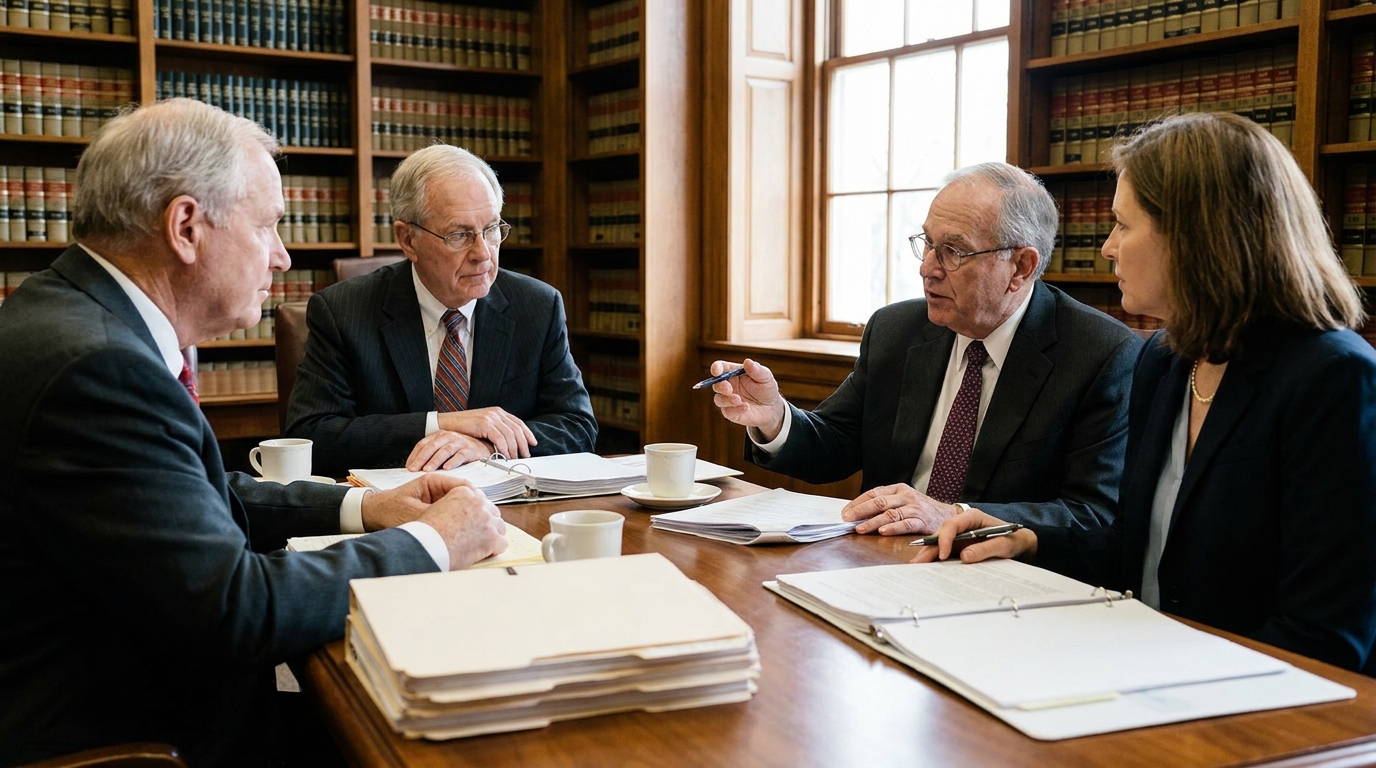
If there’s one thing I wish I had known before I became an executor, it’s that estate administration can bring out the worst in people. Even in the closest families, the stress of losing a loved one combined with questions about money and inheritance can ignite conflicts that last for years.
The Importance of Updated Estate Documents
Several leading firms now emphasize that updating wills and trusts after major life events—such as divorce, remarriage, death of a spouse, or business succession—can help prevent disputes during estate administration. I saw this firsthand when a family friend passed away with a will that hadn’t been updated in over twenty years. The document still named an ex-spouse as the primary beneficiary, leading to a bitter legal battle that consumed a significant portion of the estate. An expert attorney can help families avoid these situations by encouraging regular reviews and updates of estate planning documents.
Mediation and Dispute Resolution
When conflicts do arise, an experienced attorney can often resolve them through mediation or negotiation before they escalate to full-blown litigation. I found that having a neutral, knowledgeable professional involved in discussions helped keep emotions in check and ensured that the legal process moved forward. My attorney was skilled at explaining the law to all parties involved, which helped everyone understand their rights and manage their expectations.
Communication Is Key
One of the most valuable pieces of advice my attorney gave me was to communicate openly and transparently with all beneficiaries throughout the process. By keeping everyone informed about the estate’s status, the timeline for distribution, and any issues that arose, I was able to maintain trust and minimize suspicion. My attorney helped me draft formal communications and accountings that met legal requirements while also fostering goodwill among family members.
Probate Litigation: When Estate Administration Goes to Court

Despite everyone’s best efforts, some estates inevitably end up in litigation. I learned that specialized probate litigation remains a major part of estate administration, with attorneys actively handling will contests, undue influence claims, lack of capacity disputes, fiduciary breach claims, and trust interpretation issues. This reality shows that estate administration often extends far beyond routine paperwork.
Common Types of Probate Disputes
Will contests are perhaps the most well-known type of probate litigation. These occur when a beneficiary or potential heir challenges the validity of the will, often alleging that the deceased lacked the mental capacity to execute the document or was subjected to undue influence by another person. I personally witnessed a will contest in the estate of a neighbor, and it was both heartbreaking and eye-opening. The case dragged on for over two years and consumed tens of thousands of dollars in legal fees.
Fiduciary breach claims are another common source of litigation. These arise when a beneficiary believes that the executor or trustee has mismanaged estate assets, failed to act impartially, or otherwise violated their fiduciary duty. Trust interpretation disputes, where parties disagree about the meaning or intent of trust provisions, also frequently end up in court.
The Role of a Litigation Attorney
If you find yourself involved in probate litigation—whether as an executor defending your actions or as a beneficiary challenging a will—having an expert litigation attorney is absolutely critical. These cases involve specialized legal knowledge, and the stakes are often extremely high. My advice is to seek out an attorney with specific experience in probate litigation, not just general estate planning.
Strategies for Preventing Litigation
The best litigation strategy is prevention. I learned that having a well-drafted estate plan, clear and specific language in wills and trusts, and regular updates to reflect life changes can dramatically reduce the likelihood of court battles. An expert attorney can also help by including no-contest clauses, establishing clear successor trustees, and ensuring that all documents comply with current state laws.
Estate administration attorneys play a crucial role in navigating the complexities of probate and ensuring that a deceased person’s wishes are honored. For those seeking to understand when probate is necessary, a helpful resource can be found in the article on the Ridley Law Offices website. This informative piece outlines the circumstances that trigger probate and provides valuable insights for both executors and beneficiaries. To learn more about this important topic, you can read the article here.
Planning Ahead: How Expert Attorneys Help Before Estate Administration Begins
| Metrics | Data |
|---|---|
| Number of estate administration attorneys | 5000 |
| Average years of experience | 10 years |
| Success rate in estate administration cases | 85% |
| Client satisfaction rate | 90% |
Perhaps the most important lesson I’ve learned through this entire process is that the best time to engage an estate attorney is long before anyone passes away. Proactive estate planning is the single most effective way to ensure a smooth administration process and protect your loved ones from unnecessary stress, conflict, and expense.
Comprehensive Estate Planning Services
Today’s estate attorneys offer far more than simple will drafting. Comprehensive estate planning may include the creation of revocable and irrevocable trusts, powers of attorney, healthcare directives, beneficiary designation reviews, and strategies for minimizing estate taxes. I was amazed at how much more secure I felt after working with an attorney to create my own estate plan—knowing that my wishes would be clearly documented and legally enforceable.
Business Succession and Valuation
For those who own businesses, estate planning and administration become even more complex. Business valuation, succession planning, and the tax implications of transferring business interests are all areas where an expert attorney can provide invaluable guidance. I spoke with several business owners who told me that without proper planning, their companies could have been forced into liquidation upon their death, destroying the legacy they had spent decades building.
Trusts as a Tool for Avoiding Probate
One of the most powerful tools in the estate planning toolkit is the trust. By placing assets in a properly structured trust, you can often avoid the probate process entirely, saving your beneficiaries time, money, and stress. My attorney helped me set up a revocable living trust, and the peace of mind it gives me is immeasurable. I know that when the time comes, my loved ones will be able to access their inheritance quickly and privately, without the delays and expenses of probate court.
Regular Reviews and Updates
As I mentioned earlier, life changes can render even the best estate plan obsolete. I now make it a point to review my estate documents every few years, or whenever I experience a major life event such as a marriage, divorce, birth of a child, or significant change in financial circumstances. My attorney is always available to help me make adjustments, and I strongly encourage everyone to adopt this same practice.
Final Thoughts: Investing in Expert Guidance
Looking back on my journey through estate administration, I can say with complete confidence that hiring an expert attorney was the best decision I made. The legal landscape is complex, the stakes are high, and the emotional toll of handling everything alone is immense. Whether you’re currently serving as an executor, anticipating that role in the future, or simply planning your own estate, I urge you to seek out a qualified, experienced estate administration attorney.
The right attorney will not only protect you from legal and financial pitfalls—they’ll also provide the peace of mind that comes from knowing everything is being handled correctly. In my experience, that peace of mind is priceless. Don’t wait until you’re overwhelmed by grief and paperwork to find help. Start the conversation today, and give yourself and your family the gift of expert guidance through one of life’s most challenging processes.
FAQs
What is the role of estate administration attorneys?
Estate administration attorneys are responsible for guiding the legal process of distributing a deceased person’s assets and settling their debts. They ensure that the deceased person’s wishes, as outlined in their will, are carried out in accordance with state laws.
What are the typical duties of estate administration attorneys?
Estate administration attorneys handle tasks such as filing the deceased person’s will with the probate court, identifying and inventorying the deceased person’s assets, paying off debts and taxes, and distributing the remaining assets to the beneficiaries as outlined in the will.
When is it necessary to hire an estate administration attorney?
It is advisable to hire an estate administration attorney when dealing with a complex or contested estate, when the deceased person’s assets are substantial, or when there are disputes among the beneficiaries. Additionally, if the deceased person did not leave a will, an estate administration attorney can help navigate the intestacy laws of the state.
What qualifications should I look for in an estate administration attorney?
When hiring an estate administration attorney, it is important to look for someone with experience in probate and estate administration law. Additionally, they should be licensed to practice law in the state where the deceased person resided.
How much does it cost to hire an estate administration attorney?
The cost of hiring an estate administration attorney can vary depending on the complexity of the estate and the attorney’s fee structure. Some attorneys may charge an hourly rate, while others may work on a flat fee basis. It is important to discuss fees and payment arrangements with the attorney before hiring them.