PARENTS & HOMEOWNERS: MY 7-STEP ESTATE PLANNING PROCESS WILL PROTECT YOUR HEIRS
From Creditors, Predators & Bad Choices, And Will Help You Become a (Bigger) Hero to Your Family!


Navigating the Role of Estate and Probate Lawyers
When I first encountered the world of estate planning and probate law, I was overwhelmed by the sheer complexity of it all. The legal jargon, the court procedures, the emotional weight of dealing with a loved one’s passing — it all seemed like an impenetrable maze. Over time, however, I came to understand that estate and probate lawyers serve as indispensable guides through one of life’s most challenging transitions. Whether you are planning for the future or settling the affairs of someone who has passed, these legal professionals play a role that extends far beyond simple paperwork. In this article, I want to share what I have learned about the evolving role of estate and probate lawyers, why their expertise matters more than ever, and how recent legal changes are reshaping the landscape for everyone involved.
Before I dive deeper, I think it is important to clarify a distinction that often confuses people. Estate planning and probate law are closely related, but they are not the same thing. Estate planning is what happens while you are alive — it involves creating wills, trusts, powers of attorney, healthcare directives, and other documents that express your wishes for what should happen to your assets and your care if you become incapacitated or pass away. Probate law, on the other hand, kicks in after someone dies. It is the legal process through which a deceased person’s estate is administered, debts are settled, and remaining assets are distributed to beneficiaries or heirs.
Why Both Roles Matter
I have come to realize that many people assume they only need a lawyer when someone dies and there is an estate to settle. In reality, working with an estate planning attorney well before that point can save your family enormous amounts of time, money, and heartache. A well-drafted estate plan can minimize the need for probate altogether, reduce tax burdens, and ensure your wishes are honored precisely as you intended. Conversely, when someone passes without a plan in place — or when the plan is contested — a probate lawyer becomes essential for navigating court proceedings and resolving disputes.
The Growing Overlap
What I find particularly interesting is that modern estate and probate lawyers increasingly handle both sides of this equation. Law firms today are expanding their expertise across what I would call probate-adjacent areas. Recent updates from the legal industry show that firms are emphasizing combined knowledge in estate administration, trusts, guardianships, Medicaid planning, and tax filings. This reflects just how broad the role has become. A single attorney or firm may guide a client through creating a comprehensive estate plan, then years later help the family administer that same estate through probate. This continuity of knowledge can be invaluable.
Estate and probate lawyers play a crucial role in navigating the complexities of wills and trusts, ensuring that clients’ wishes are honored after their passing. For those considering the importance of professional legal assistance in this area, a related article can provide valuable insights. You can read more about why hiring a will and trust attorney is essential by visiting this link: The Importance of Hiring a Will and Trust Attorney in Camarillo. This resource highlights the benefits of having an experienced attorney guide you through the estate planning process.
The Expanding Scope of Probate Lawyers
One of the most important things I want people to understand is that probate lawyers do far more than just file papers with the court. There is a widespread misconception that hiring a probate attorney simply means paying someone to submit a few forms, and I have seen this misunderstanding lead people to underestimate the value of professional legal help during the estate administration process.
Beyond Filing: What Probate Lawyers Actually Do
Recent legal guidance has highlighted that estate and probate attorneys help with a wide range of critical tasks. These include asset identification and valuation, which can be surprisingly complex when a deceased person owned businesses, real estate in multiple jurisdictions, retirement accounts, or digital assets. Probate lawyers also assist with the payment of debts and taxes owed by the estate, ensuring that creditors are properly notified and that the estate does not overpay or underpay its obligations. They oversee the distribution of assets to beneficiaries and heirs according to the will or, when there is no will, according to state intestacy laws. Perhaps most importantly, they provide court representation when disputes arise — and disputes arise more often than most people expect.
Supporting Personal Representatives
I have seen firsthand how overwhelming it can be to serve as an executor or administrator of an estate. You are grieving, and yet the law imposes significant duties and deadlines on you. Philadelphia legal aid resources, for example, have emphasized the importance of probate support for personal representatives. Attorneys in this space advise executors and administrators on their fiduciary duties, help them avoid personal liability, and in some cases refer clients to free or low-cost probate help when the estate or the representative’s financial situation warrants it. I believe this kind of support is not a luxury — it is a necessity for anyone tasked with the immense responsibility of settling another person’s estate.
How Recent Legal Changes Are Reshaping Probate

The legal landscape around estate and probate law is not static. Laws change, court procedures evolve, and what was true five years ago may not apply today. I want to highlight some recent developments, particularly in Pennsylvania, that illustrate how dynamic this area of law really is.
Pennsylvania’s 2026 Probate Overhaul
One of the most significant changes on the horizon is the transformation of the Pennsylvania probate process, set to take effect on June 11, 2026. Under the new rules, intestate probate — that is, the probate process when someone dies without a will — will become significantly more court-driven. This includes added filing requirements, more motions required for actions like the sale of estate assets or the closure of the estate, and generally more judicial oversight of the entire process. For personal representatives who are already struggling to keep up with their duties, this means that having an experienced probate lawyer by your side will be even more critical than it is today.
Act 50 of 2025: Heirless Estates Get a New Framework
Another change that caught my attention is Act 50 of 2025 in Pennsylvania, which updates the rules around intestate succession for heirless estates. Previously, when someone died without a will and without any identifiable heirs, the estate would default to the Commonwealth of Pennsylvania. Under the new framework, these estates are handled through updated procedures rather than simply escheating to the state. This is a meaningful shift, and it underscores why staying current with legal developments is so important. A probate lawyer who is not aware of these changes could inadvertently mishandle an estate, leading to delays, additional costs, or worse.
The Broader Trend Toward Complexity
I see these Pennsylvania changes as part of a broader national trend toward more complex probate procedures. States across the country are updating their probate codes, revising filing requirements, and adding new layers of oversight. While these changes are often well-intentioned — designed to protect heirs, prevent fraud, and ensure transparency — they also make it harder for non-lawyers to navigate the process on their own. This is one of the key reasons I advocate for professional legal help, even in cases that seem straightforward at first glance.
The Human Side of Estate and Probate Law
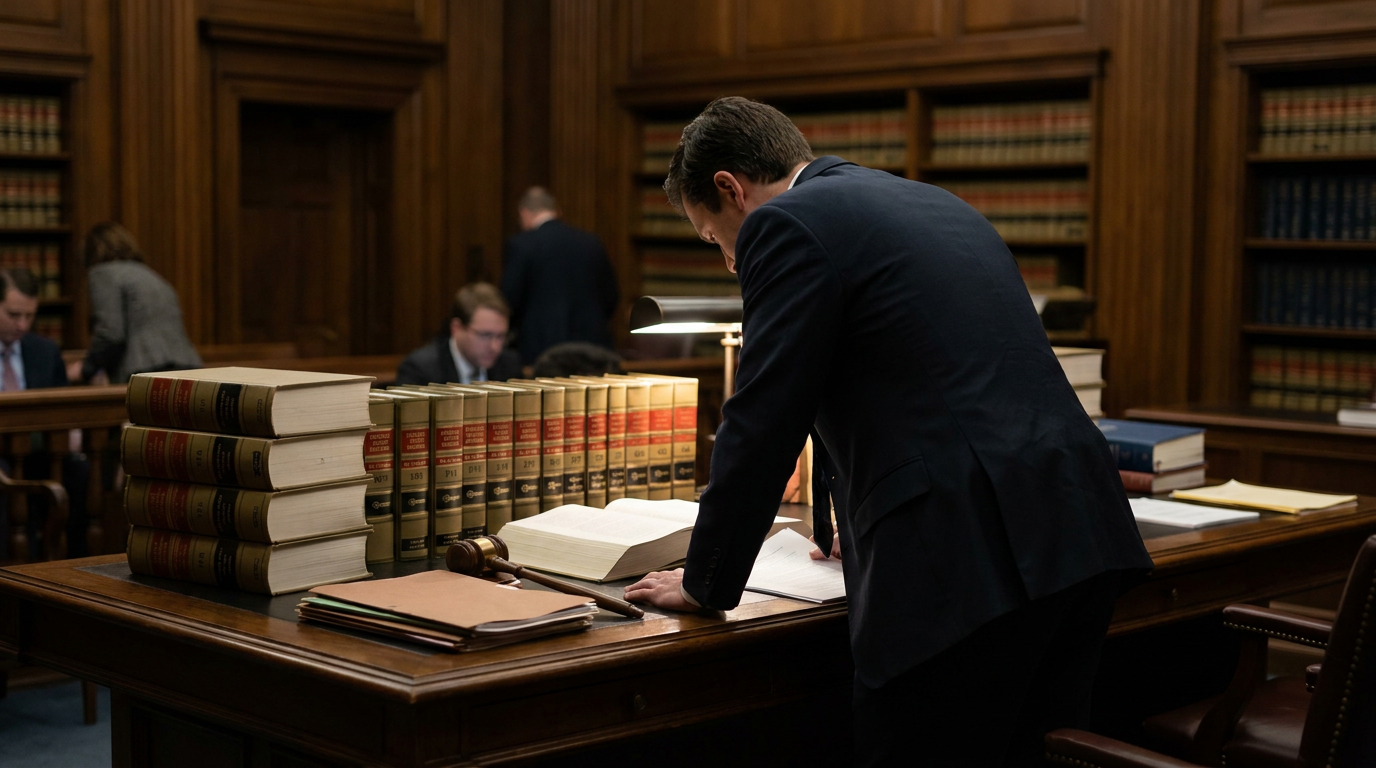
I would be remiss if I wrote an entire article about estate and probate lawyers without acknowledging the deeply human dimension of this work. When I think about what these lawyers do, I do not just see legal procedures and court filings. I see families grappling with loss, siblings arguing over a parent’s estate, elderly individuals trying to plan for a future they find frightening to contemplate, and communities working to ensure that even the most vulnerable members have access to justice.
Pro Bono Work and Community Engagement
One development that I find truly encouraging is the active recruitment of volunteers and mentors within professional estate law communities. In Philadelphia, for example, the probate and trust section of the local bar association is seeking help for estate planning, guardianship, and especially probate and estate administration cases involving low-income clients. This is a recognition that estate and probate legal services are not just for the wealthy. Everyone deserves to have their wishes respected, and every family deserves guidance when navigating the loss of a loved one. The fact that legal professionals are stepping up to volunteer their time and expertise gives me real hope.
Addressing the Access-to-Justice Gap
I have noticed that there is a significant access-to-justice gap in estate and probate law. Wealthier individuals and families typically have comprehensive estate plans in place and can afford top-tier legal representation during probate. Lower-income individuals, on the other hand, are far more likely to die without a will, leaving their families to navigate intestate succession without legal help. Programs that provide free or low-cost probate assistance are therefore critically important, and I believe the legal profession as a whole needs to do more to bridge this gap.
Estate and probate lawyers often encounter complex situations that require a deep understanding of various legal instruments, including protective trusts. For those interested in learning more about how these trusts can safeguard assets in California, a valuable resource can be found in this article on protective trusts. By exploring the intricacies of these legal tools, estate and probate lawyers can better serve their clients’ needs. You can read more about it here.
How to Choose the Right Estate or Probate Lawyer
| Law Firm | Number of Lawyers | Years of Experience | Success Rate |
|---|---|---|---|
| Smith & Associates | 10 | 15 | 90% |
| Johnson Law Group | 8 | 20 | 85% |
| Miller & Co. | 12 | 10 | 95% |
If you are in a position where you need to hire an estate or probate lawyer, I want to offer some practical guidance based on my experience and observations.
Look for Breadth of Expertise
Given how broad the role of estate and probate lawyers has become, I recommend looking for an attorney or firm with expertise that spans multiple related areas. You want someone who understands not just wills and trusts, but also guardianships, Medicaid planning, tax filings, and dispute resolution. This breadth of knowledge ensures that your lawyer can anticipate and address issues that may not be immediately obvious.
Verify Knowledge of Current Laws
As I discussed earlier, probate laws are changing rapidly. Make sure your attorney is up to date on the latest legal developments in your state. Ask them specifically about recent legislative changes, new filing requirements, and any procedural updates that might affect your case. An attorney who is not current on the law is not someone you want managing your estate or your loved one’s estate.
Assess Communication and Compassion
Estate and probate matters are inherently emotional. I believe it is essential to choose a lawyer who communicates clearly, responds promptly, and treats you with empathy and respect. This is not just a legal transaction — it is a deeply personal process, and you deserve an attorney who understands that.
Ask About Fees and Billing
Probate legal fees can vary widely depending on the complexity of the estate, the jurisdiction, and the attorney’s billing structure. Some lawyers charge flat fees for certain services, while others bill by the hour. I always recommend getting a clear understanding of fees upfront, so there are no surprises later on.
Consider Referrals and Reviews
Word-of-mouth referrals from trusted friends, family members, or financial advisors can be invaluable. I also suggest checking online reviews and verifying the attorney’s standing with the state bar association. A little due diligence at the outset can save you a great deal of trouble down the road.
Looking Ahead: The Future of Estate and Probate Law
As I reflect on everything I have discussed, I am struck by how much this area of law has evolved and how much further it is likely to change in the coming years. The increasing complexity of probate procedures, the expanding scope of what estate lawyers handle, the growing emphasis on access to justice for underserved communities, and the rapid pace of legislative change all point to a future in which the role of estate and probate lawyers will be more important than ever.
I believe that anyone who is serious about protecting their family, preserving their legacy, and ensuring a smooth transition of assets should engage with an estate planning attorney sooner rather than later. And for those who find themselves thrust into the role of executor or administrator, I cannot overstate the value of having a skilled probate lawyer in your corner. The legal system is complex, the stakes are high, and the emotional toll is real. Having a knowledgeable and compassionate guide through the process is not just helpful — it is essential.
In the end, navigating the role of estate and probate lawyers is about more than understanding legal procedures. It is about recognizing the profound impact these professionals have on families and communities, staying informed about the changes that shape their work, and making thoughtful decisions about when and how to seek their help. I hope this article has given you a clearer picture of what these lawyers do, why their role is expanding, and how you can make the most of their expertise in your own life.
FAQs
What is an estate and probate lawyer?
An estate and probate lawyer is a legal professional who specializes in estate planning, probate, and trust administration. They assist clients in creating wills, establishing trusts, and navigating the probate process after a person’s death.
What services do estate and probate lawyers provide?
Estate and probate lawyers provide a range of services including drafting wills, creating trusts, establishing powers of attorney, handling estate administration, and representing clients in probate court proceedings.
When should I hire an estate and probate lawyer?
It is advisable to hire an estate and probate lawyer when you need assistance with estate planning, creating a will or trust, navigating the probate process, or resolving disputes related to an estate or trust.
How do I choose an estate and probate lawyer?
When choosing an estate and probate lawyer, consider their experience, expertise in estate planning and probate law, reputation, and client reviews. It is important to find a lawyer who is knowledgeable and trustworthy.
What are the benefits of working with an estate and probate lawyer?
Working with an estate and probate lawyer can provide peace of mind, ensure that your wishes are carried out after your death, help minimize estate taxes, and navigate the complex legal processes involved in estate planning and probate.