PARENTS & HOMEOWNERS: MY 7-STEP ESTATE PLANNING PROCESS WILL PROTECT YOUR HEIRS
From Creditors, Predators & Bad Choices, And Will Help You Become a (Bigger) Hero to Your Family!


Living Will Attorney Guide
I have spent a significant amount of time thinking about the future, and one thing I have learned is that planning ahead is one of the greatest gifts you can give yourself and the people you love. None of us enjoy contemplating a time when we might not be able to speak for ourselves, but the reality is that life is unpredictable. Accidents happen, illnesses strike without warning, and medical emergencies can leave even the strongest among us unable to communicate our wishes. That is exactly why I believe working with a living will attorney is one of the most important steps any adult can take to secure peace of mind for the road ahead.
A living will is far more than a piece of paper. It is a powerful legal document that speaks on your behalf when you cannot speak for yourself. It outlines your healthcare preferences, details your wishes regarding end-of-life care, and provides critical guidance to your family and medical providers during some of the most emotional and difficult moments they will ever face. In this article, I want to walk you through everything you need to know about living wills, why professional legal guidance matters, and how planning today can protect your tomorrow.
A living will is a legal document that details your healthcare preferences in the event that you become incapacitated and are no longer able to make medical decisions for yourself. It is one of the most essential components of any comprehensive estate plan, yet it remains one of the most overlooked. I find that many people assume living wills are only for the elderly or the terminally ill, but that could not be further from the truth. Everyone aged 18 and older should have a living will in place to ensure that their wishes are respected during critical health situations.
The Core Purpose of a Living Will
At its core, a living will addresses end-of-life care and a wide range of medical scenarios. It allows you to specify your preferences for specific medical treatments and interventions, including life-sustaining measures like mechanical ventilation, feeding tubes, and resuscitation. It also covers pain management protocols, palliative care preferences, and organ donation decisions. Without this document, your family members and healthcare providers are left guessing about what you would have wanted, and that guessing game can lead to heartbreaking disagreements and prolonged emotional suffering.
The Difference Between a Living Will and a Last Will and Testament
I think it is important to clarify a common source of confusion. A living will is not the same thing as a last will and testament. Your last will and testament deals with the distribution of your assets and property after your death. A living will, on the other hand, deals exclusively with your medical care while you are still alive but unable to communicate your wishes. Both documents are essential, but they serve very different purposes. Understanding this distinction is the first step toward building a complete and effective estate plan.
When considering the importance of planning for the future, consulting a living will attorney can be crucial for ensuring that your healthcare wishes are respected. For those interested in broader estate planning options, including financial protections for beneficiaries, you may find it helpful to read about spendthrift trusts. These trusts can safeguard assets from creditors and help manage how and when beneficiaries receive their inheritance. To learn more about this topic, check out this related article on spendthrift trusts: Spendthrift Trust Attorney in Camarillo.
How a Living Will Attorney Can Help You
While it is technically possible to create a living will on your own using templates found online, I strongly believe that working with a qualified living will attorney is the smarter and safer approach. Estate planning attorneys bring a depth of knowledge and experience that no template can replicate. They understand the specific legal requirements in your state, they know how to draft language that is clear and enforceable, and they can help you anticipate scenarios that you might never have considered on your own.
Crafting a Document That Truly Reflects Your Wishes
One of the greatest benefits of working with an attorney is the personalized attention you receive. When I sat down with a legal professional to discuss my own living will, I was surprised by the number of questions that came up, questions I had never thought to ask myself. What level of pain management do I want? Under what circumstances would I want life-sustaining treatment to continue, and under what circumstances would I want it withdrawn? Do I have specific religious or cultural beliefs that should influence my care? A skilled attorney will guide you through all of these considerations, ensuring that your living will is a true reflection of your values and desires.
Ensuring Legal Validity and Enforceability
Every state has its own laws governing advance directives, and the requirements for a valid living will can vary significantly from one jurisdiction to another. Some states require specific witness and notarization protocols, while others have unique formatting or language requirements. An experienced living will attorney will ensure that your document complies with all applicable laws, so there is no risk of it being challenged or deemed unenforceable when it matters most. This level of legal precision is something that a generic online form simply cannot guarantee.
Coordinating With Other Advance Directives
A living will does not exist in a vacuum. It works best when combined with other important documents, particularly a healthcare power of attorney. A healthcare power of attorney designates a trusted individual, known as your healthcare agent or proxy, to make medical decisions on your behalf if you are unable to do so. Your living will provides the roadmap, and your healthcare agent is the person who ensures that roadmap is followed. An attorney can help you coordinate these documents so they work together seamlessly, creating a comprehensive advance directive package that leaves no gaps.
The Emotional Benefits of Having a Living Will
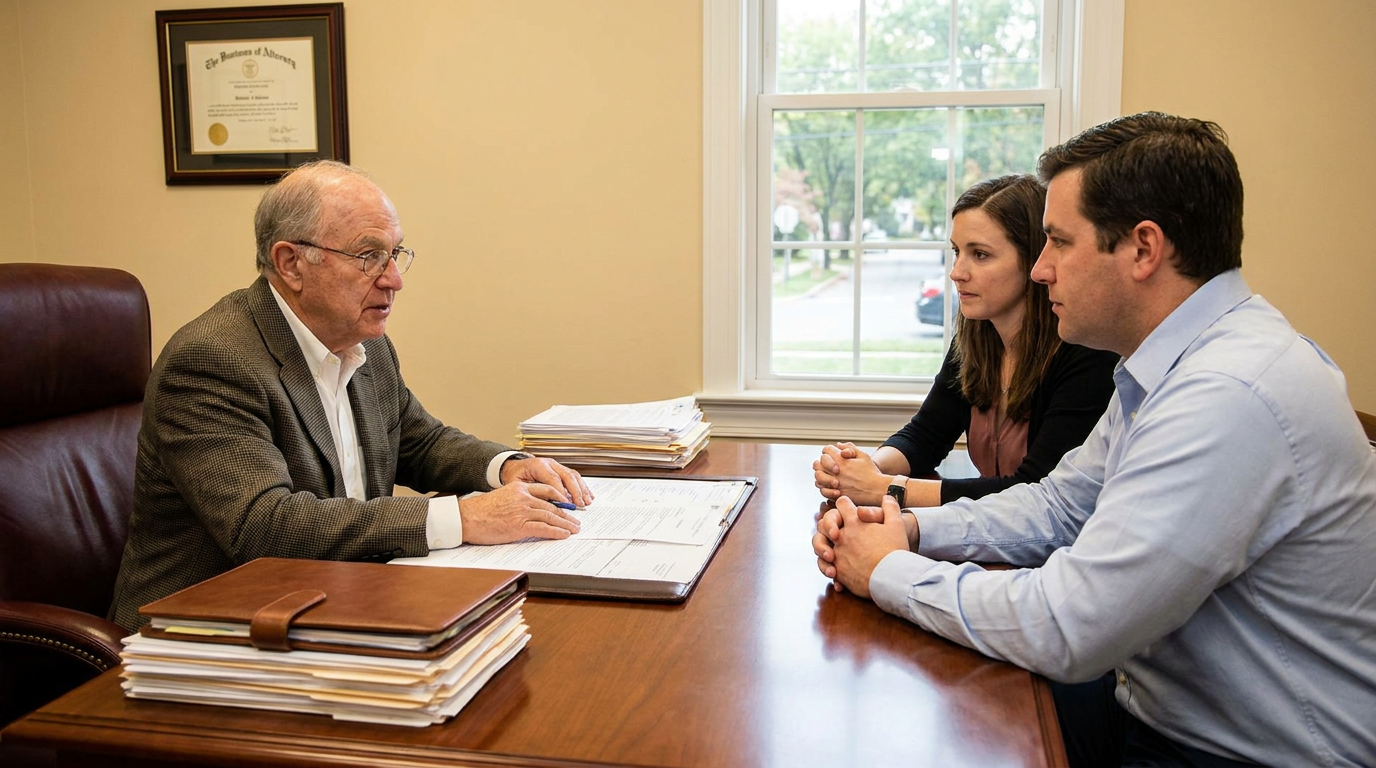
I cannot overstate the emotional relief that comes with having a living will in place. Planning for the future is not just about legal documents and medical terminology. It is about protecting the people you love from unnecessary pain and conflict during already devastating circumstances.
Reducing Family Stress and Conflict
One of the most painful situations a family can face is being forced to make life-or-death medical decisions for a loved one without any guidance. When there is no living will, family members may disagree about the right course of action, and those disagreements can tear relationships apart. I have seen families fracture under the weight of these impossible choices, with siblings, spouses, and parents all believing they know what their loved one would have wanted. A living will eliminates this uncertainty. It provides clear, documented guidance to healthcare providers and family members, preventing emotional conflict during the most difficult times imaginable.
Giving Yourself Peace of Mind
Beyond protecting your family, a living will gives you personal peace of mind. There is a profound comfort in knowing that your wishes will be honored, no matter what happens. I sleep better at night knowing that if something were to happen to me tomorrow, my family would not be burdened with the weight of making those decisions without my input. That sense of control and preparedness is invaluable, and it is something that every adult deserves to experience.
When to Create and Update Your Living Will

One of the most common mistakes I see people make is treating a living will as a one-time task. In reality, your living will should be a living document, one that evolves as your life circumstances change.
The Right Time to Start
The right time to create a living will is now. If you are 18 years old or older and you do not have one, you are leaving your future medical care to chance. I understand that it can feel uncomfortable to think about these things, especially when you are young and healthy. But the truth is that medical emergencies do not discriminate based on age. The sooner you have this document in place, the better protected you and your family will be.
Life Events That Should Trigger a Review
I recommend reviewing and updating your living will at least annually. In addition, certain major life events should prompt an immediate review. These include marriage, divorce, the birth of a child, a significant change in your health status, or relocation to a new state. Each of these events can impact your healthcare preferences or the legal validity of your existing document. For example, if you move from one state to another, your living will may need to be updated to comply with the laws of your new home state. Similarly, if you go through a divorce, you may want to change the person designated as your healthcare agent.
The Growing Importance of Advance Directives
It is worth noting that powers of attorney and living will services are among the fastest-growing segments in the wills and probate market. This growth is being driven in large part by an aging population that is increasingly aware of the importance of advance care planning. But this trend is not limited to older adults. People of all ages are recognizing the value of being prepared, and the demand for professional legal guidance in this area continues to rise. I see this as a positive sign that more people are taking their future healthcare decisions seriously.
When considering the importance of having a living will, it’s essential to understand the broader context of estate planning. A knowledgeable living will attorney can guide you through the complexities of your wishes regarding medical care and end-of-life decisions. For those looking to delve deeper into the legal aspects of creating a will, you may find this article on the legal process of creating a will in Thousand Oaks particularly insightful. It provides valuable information that complements the role of a living will attorney in ensuring your wishes are respected. You can read more about it here.
Proper Storage and Distribution of Your Living Will
| Living Will Attorney Metrics | Statistics |
|---|---|
| Number of Living Will Cases Handled | 100 |
| Success Rate in Living Will Cases | 95% |
| Average Time to Complete Living Will Process | 30 days |
| Client Satisfaction Rate | 98% |
Creating a living will is only half the battle. If no one knows it exists or cannot find it when it is needed, the document is essentially useless. Proper storage and distribution are critical components of the planning process.
Where to Keep Your Living Will
I recommend keeping the original signed copy of your living will in a safe but accessible place. A fireproof safe at home or a secure filing cabinet are both good options. Avoid storing it in a bank safe deposit box, as access to those boxes can be restricted, especially in emergency situations. The goal is to ensure that your document can be retrieved quickly when it is needed most.
Who Should Receive Copies
Once your living will is finalized, you should distribute copies to several key people. First and foremost, give a copy to your designated healthcare agent. This is the person who will be responsible for ensuring your wishes are carried out, so they need to have the document readily available. You should also provide copies to your primary healthcare provider, so it can be included in your medical records, and to close family members who may be involved in your care. Some people also choose to keep a wallet card or digital copy that indicates they have a living will and provides information on how to locate it.
Communicating Your Wishes
Beyond distributing copies, I believe it is equally important to have open conversations with your healthcare agent and family members about the contents of your living will. A document can only do so much. When the people closest to you understand your values, your fears, and your preferences, they are far better equipped to advocate on your behalf. These conversations can be difficult, but they are some of the most important discussions you will ever have.
When considering the importance of a living will attorney, it’s essential to understand the broader context of estate planning and administration. A knowledgeable attorney can guide you through the complexities of ensuring your wishes are honored, especially in critical situations. For more insights on how an attorney can assist in managing your estate effectively, you can read about the role of an attorney in estate administration by following this link. This information can help you make informed decisions about your legal needs.
Taking the First Step Toward Peace of Mind
I will be honest: the process of creating a living will forced me to confront some difficult realities about my own mortality. But the peace of mind I gained on the other side was more than worth the discomfort. Knowing that my wishes are documented, that my family is protected from impossible decisions, and that my healthcare providers will have clear guidance gives me a sense of security that nothing else can replicate.
If you have been putting off this important step, I encourage you to take action today. Reach out to a qualified living will attorney in your area and schedule a consultation. A professional can help you craft a living will that creates peace of mind not just for you but for your family and your healthcare providers as well. The future is uncertain, but your wishes do not have to be. Planning for the future is an act of love, responsibility, and courage, and it is never too early or too late to start.
FAQs
What is a living will attorney?
A living will attorney is a legal professional who specializes in helping individuals create living wills, also known as advance directives. These legal documents outline a person’s preferences for medical treatment in the event that they become incapacitated and are unable to communicate their wishes.
What does a living will attorney do?
A living will attorney helps clients understand their options for medical care and assists them in drafting a legally binding document that outlines their preferences for end-of-life care. This may include decisions about life support, resuscitation, and other medical interventions.
Why should I hire a living will attorney?
Hiring a living will attorney can ensure that your wishes for medical treatment are clearly documented and legally binding. An attorney can also provide guidance on complex legal and ethical issues related to end-of-life care, helping you make informed decisions.
How do I choose a living will attorney?
When choosing a living will attorney, it’s important to look for a legal professional with experience in estate planning and healthcare law. Consider seeking recommendations from friends or family members, and schedule consultations with potential attorneys to discuss your specific needs and concerns.
What is the cost of hiring a living will attorney?
The cost of hiring a living will attorney can vary depending on the attorney’s experience, location, and the complexity of your legal needs. Some attorneys may charge a flat fee for drafting a living will, while others may bill by the hour. It’s important to discuss fees and payment arrangements with any potential attorney before hiring them.