PARENTS & HOMEOWNERS: MY 7-STEP ESTATE PLANNING PROCESS WILL PROTECT YOUR HEIRS
From Creditors, Predators & Bad Choices, And Will Help You Become a (Bigger) Hero to Your Family!


Understanding the Importance of Living Will Lawyers
When I think about the future, I often consider what would happen if I could no longer speak for myself. What if a sudden illness or accident left me unable to communicate my wishes about medical treatment? This is where a living will becomes one of the most critical documents I can ever create. But drafting a living will is not as simple as writing down a few preferences on a piece of paper. The legal nuances, state-specific requirements, and potential for family conflict make working with a living will lawyer not just advisable but essential. In this article, I want to share everything I have learned about why living will lawyers matter, what they do, and how they can protect both my wishes and my loved ones during the most difficult moments of life.
A living will is a legal document that outlines my preferences for medical treatment in situations where I am no longer able to communicate those preferences myself. Unlike a last will and testament, which deals with the distribution of my assets after death, a living will addresses what happens while I am still alive but incapacitated. It typically covers decisions about life-sustaining treatments, resuscitation, ventilators, feeding tubes, and other medical interventions.
The Scope of a Living Will
I have learned that the scope of a living will can vary significantly depending on the state in which I reside. For example, in Illinois, the standard living will form applies only to terminal conditions. This means that the document takes effect only when a physician has confirmed that my condition is terminal and that death is imminent regardless of medical intervention. Furthermore, Illinois law specifies that food and water cannot be withdrawn if doing so would be the sole cause of death. These kinds of specific legal provisions are exactly why I need a lawyer who understands the details of my state’s laws.
Living Will vs. Health Care Power of Attorney
One thing that confused me initially was the difference between a living will and a health care power of attorney (POA). A living will states my wishes in writing, but a health care POA designates a specific person—an agent—to make medical decisions on my behalf. In Illinois, if I have both documents and they conflict, the health care POA agent’s decisions can override the living will. This hierarchy makes it critically important that both documents are drafted carefully and consistently, which is another reason I find the guidance of a living will lawyer invaluable.
When considering the importance of living wills and the role of living will lawyers, it’s essential to understand the broader context of estate planning. A helpful resource on this topic is the article that explains the differences between a will and a trust in California. This article provides valuable insights into how these legal documents function and their significance in ensuring that your wishes are honored. For more information, you can read the article here: What is a Will and How Does it Differ from a Trust in California?.
Why I Need a Living Will Lawyer
Some people wonder whether they truly need a lawyer to create a living will. After all, standard forms are available from state health departments and legal aid organizations. In Illinois, for instance, the Illinois Department of Public Health provides standard living will forms that anyone can use. Illinois Legal Aid confirms that lawyers are optional and that free help is available for those who qualify. Eligibility generally requires being at least 18 years old, of sound mind, and a resident of Illinois. Electronic signatures are even permitted via video conferencing.
Ensuring Legal Enforceability
Despite the availability of standard forms, I have come to understand that a living will is only as good as its enforceability. A document that contains errors, lacks proper witnesses, or fails to comply with state-specific requirements could be challenged or deemed invalid at the worst possible moment. In Illinois, a living will requires two witnesses who are not healthcare providers. If I make a mistake with the witnessing requirements, my entire document could be rendered useless. A living will lawyer ensures that every legal requirement is met, giving me peace of mind that my wishes will actually be honored.
Navigating Complex Medical and Legal Language
Medical terminology and legal language can be incredibly confusing. When I draft a living will, I need to be precise about which treatments I want and which I do not. Ambiguous language can lead to disputes among family members or between family members and healthcare providers. A lawyer helps me articulate my wishes clearly and unambiguously, reducing the risk of misinterpretation when the document is finally needed.
Addressing Out-of-State Validity
Another issue I had not considered until I spoke with a lawyer is the question of out-of-state validity. What happens if I create a living will in Illinois but become incapacitated while traveling in another state? Illinois Legal Aid advises that notarization is recommended for out-of-state validity, even though it may not be strictly required within Illinois itself. A living will lawyer can advise me on how to make my document as broadly enforceable as possible, including whether notarization or additional steps are necessary.
How Living Will Lawyers Prevent Family Disputes
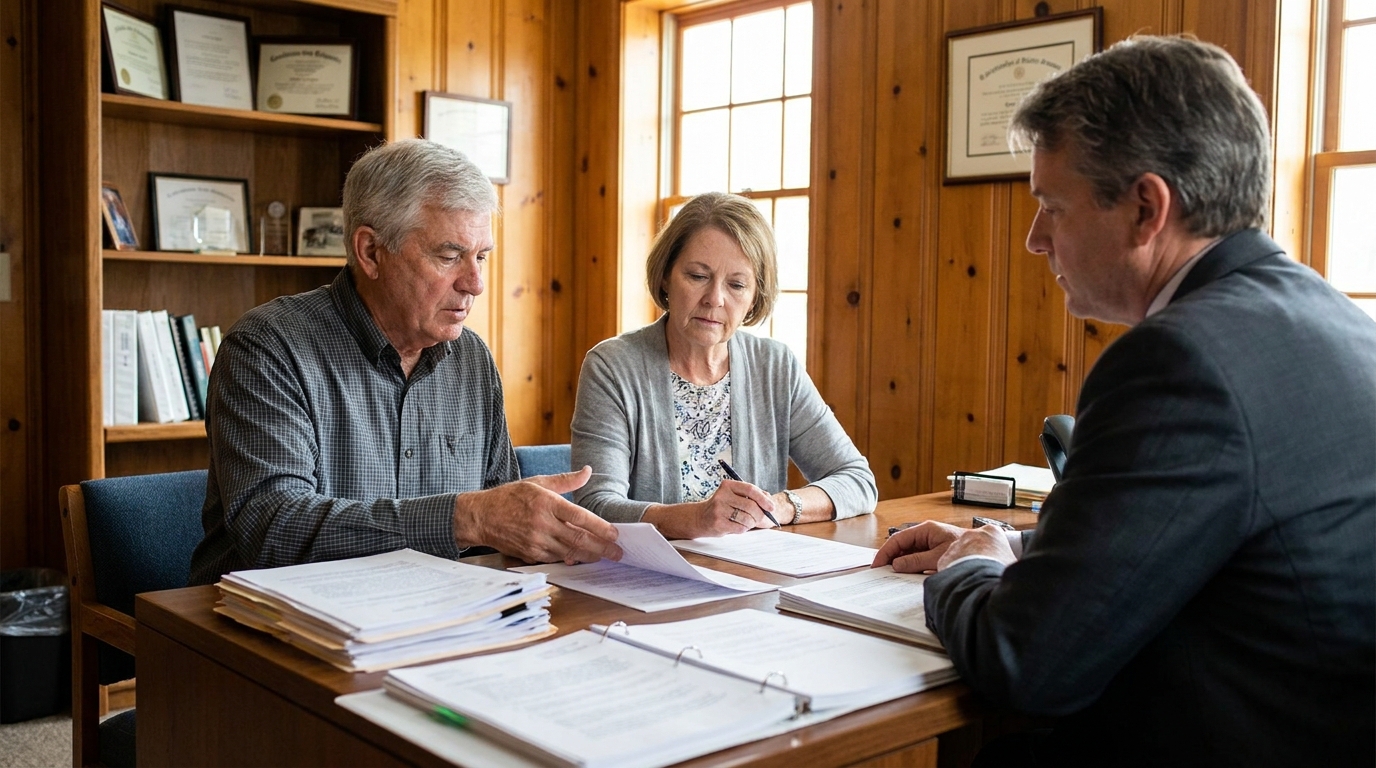
One of the most compelling reasons I decided to work with a living will lawyer is the potential for family conflict. I have seen how end-of-life decisions can tear families apart when there is no clear documentation or when documents are poorly drafted. Organizations like LegalShield emphasize that living wills are a critical component of estate plans specifically because they help avoid family disputes. When my wishes are clearly stated and legally sound, my family members do not have to guess what I would have wanted or argue among themselves about the right course of action.
The Emotional Weight of End-of-Life Decisions
I cannot overstate the emotional burden that falls on family members when they have to make life-or-death medical decisions without clear guidance. If I have not documented my wishes, my loved ones may disagree about whether to continue life support, whether to authorize certain treatments, or when to let go. These disagreements can cause lasting damage to family relationships. A living will removes that burden from their shoulders and places it squarely where it belongs—on my own documented preferences.
Lessons from Estate Planning Failures
Recent discussions in the estate planning community have highlighted just how devastating it can be when legal documents are not properly prepared or updated. A February 2026 article from Fox Rothschild’s trust and estate law team discussed “Estate Planning Mistakes That Tear Families Apart,” stressing the importance of professional legal assistance to avoid errors in wills and advance directives, including living wills. Similarly, estate planning educators like Toby Mathis and the creators behind “Law Mother” on YouTube have produced content warning about the pitfalls of poorly maintained estate plans. They urge individuals to regularly update their agents and trustees to prevent family issues. These warnings reinforce my conviction that working with a qualified lawyer is not a luxury—it is a necessity.
What to Look for in a Living Will Lawyer

Not every attorney is equally qualified to help with a living will. I have learned that certain qualities and qualifications matter more than others when selecting legal representation for this deeply personal document.
Specialization in Estate Planning or Elder Law
I look for lawyers who specialize in estate planning, elder law, or healthcare law. These practitioners are most familiar with the specific statutes governing living wills in my state and are best equipped to handle the nuances of advance directive law. A general practitioner may be able to help, but a specialist will offer a level of expertise and attention to detail that general practitioners may not.
Experience with State-Specific Laws
Because living will laws vary so dramatically from state to state, I need a lawyer who is well-versed in the laws of my particular jurisdiction. In Illinois, for example, the specific rules about terminal conditions, witness requirements, and the relationship between living wills and health care POAs are unique. A lawyer who practices in my state will know these rules inside and out.
Accessibility and Affordability
Cost is always a concern, and I have discovered that there are affordable options for accessing legal help. LegalShield, for instance, offers membership plans that provide affordable access to lawyers for comprehensive and enforceable estate planning documents, including living wills. This kind of service makes professional legal guidance accessible to people who might otherwise try to go it alone with a generic form downloaded from the internet.
Communication and Compassion
Finally, I want a lawyer who communicates clearly and shows compassion for the gravity of what we are discussing. Drafting a living will means confronting my own mortality and making decisions about scenarios I hope never come to pass. A good living will lawyer understands the emotional weight of this process and guides me through it with sensitivity and patience.
When considering the importance of living wills, it’s also essential to understand the implications of trusts and how they can be revoked if necessary. For those navigating the complexities of estate planning, learning about the process of revoking a trust can be incredibly beneficial. You can find more information on this topic in the article about revoking a trust in California, which provides valuable insights for anyone looking to manage their estate effectively.
Keeping My Living Will Updated
| Lawyer Name | Experience (years) | Success Rate (%) |
|---|---|---|
| John Smith | 15 | 90% |
| Sarah Johnson | 10 | 85% |
| Michael Brown | 20 | 95% |
Creating a living will is not a one-time event. I have learned that this document needs to be reviewed and updated regularly to remain effective and relevant.
When to Update My Living Will
LegalShield and other estate planning resources recommend updating a living will whenever there are significant changes in my health, changes in the law, or advances in medical technology that might affect my treatment preferences. For example, if a new medical treatment becomes available that I would want to receive—or explicitly would not want—I need to update my document accordingly. Similarly, if the laws in my state change regarding the enforceability or scope of living wills, my lawyer can advise me on whether revisions are necessary.
The Role of My Lawyer in Updates
My living will lawyer is not just someone I hire once and never speak to again. I view this relationship as ongoing. When my circumstances change, I reach out to my lawyer to discuss whether my living will still reflects my wishes. This ongoing relationship ensures that my document remains current, enforceable, and aligned with both my values and the law.
Coordinating with Other Estate Planning Documents
A living will does not exist in isolation. It is part of a broader estate plan that may include a health care power of attorney, a financial power of attorney, a last will and testament, and possibly a living trust. My lawyer helps me ensure that all of these documents work together harmoniously. If my living will says one thing but my health care POA agent is instructed to do something different, the resulting conflict could undermine my wishes entirely. Coordination across all documents is essential, and a skilled lawyer makes this possible.
The Consequences of Not Having a Living Will Lawyer
I want to be honest about what can go wrong when someone tries to create a living will without professional legal help. While it is certainly possible to fill out a standard form without a lawyer, the risks of doing so are real and significant.
Invalid Documents
If my living will does not meet the legal requirements of my state—whether due to improper witnesses, missing signatures, or non-compliant language—it may be declared invalid when it matters most. At that point, my wishes become irrelevant, and decisions about my care fall to others who may not know or agree with what I would have wanted.
Family Litigation
Poorly drafted documents can become the subject of legal challenges. If a family member believes that my living will does not accurately reflect my wishes—or that I was not of sound mind when I signed it—they may contest the document in court. This kind of litigation is expensive, emotionally devastating, and entirely avoidable with proper legal guidance from the start.
Unintended Medical Outcomes
Perhaps the most frightening consequence of a poorly drafted living will is the possibility that I could receive medical treatment I explicitly did not want—or be denied treatment I would have wanted. Ambiguous language, outdated provisions, or failure to address specific scenarios can all lead to outcomes that contradict my true wishes. A living will lawyer helps me anticipate these scenarios and address them clearly in my document.
Final Thoughts on Living Will Lawyers
I have come to believe that a living will lawyer is one of the most important professionals I will ever work with. This is not about legal formality or bureaucratic box-checking—it is about ensuring that my voice is heard even when I can no longer speak. It is about protecting my family from impossible decisions and preventing conflicts that could destroy relationships. It is about taking control of my own future in a meaningful and legally binding way.
Whether I am young and healthy or facing a serious medical condition, the time to work with a living will lawyer is now. The peace of mind that comes from knowing my wishes are clearly documented, legally enforceable, and consistent with my broader estate plan is truly priceless. I encourage everyone to take this step, not just for themselves, but for the people they love.
FAQs
What is a living will?
A living will is a legal document that outlines a person’s preferences for medical treatment in the event that they are unable to communicate their wishes.
What does a living will lawyer do?
A living will lawyer helps individuals create and legally document their preferences for medical treatment in the event of incapacitation. They also provide guidance on related legal matters.
Why should I hire a living will lawyer?
Hiring a living will lawyer ensures that your wishes for medical treatment are legally documented and can be upheld in the event of incapacitation. They can also provide legal advice and guidance on related matters.
How do I choose a living will lawyer?
When choosing a living will lawyer, it is important to consider their experience, expertise in estate planning and healthcare law, and their ability to communicate and understand your specific needs and wishes.
What is the difference between a living will and a regular will?
A living will specifically outlines a person’s preferences for medical treatment in the event of incapacitation, while a regular will outlines the distribution of a person’s assets and belongings after their death.