PARENTS & HOMEOWNERS: MY 7-STEP ESTATE PLANNING PROCESS WILL PROTECT YOUR HEIRS
From Creditors, Predators & Bad Choices, And Will Help You Become a (Bigger) Hero to Your Family!


Understanding the Role of a Revocable Trust Attorney
When I first started exploring estate planning for my own family, I quickly realized that the process was far more nuanced than I had initially expected. I thought I could simply draft a will, name some beneficiaries, and call it a day. But as I dug deeper, I discovered that a revocable trust could offer significant advantages — from avoiding probate to protecting my family’s privacy. The challenge, however, was that setting up a revocable trust correctly required more than just filling out a template. That’s when I understood the critical importance of working with a revocable trust attorney.
In this article, I want to walk you through everything I’ve learned about the role of a revocable trust attorney, why their expertise matters, and how they can help you protect your assets and your loved ones. Whether you’re just beginning your estate planning journey or you’re looking to update an existing trust, understanding what these professionals do can save you from costly mistakes and give you genuine peace of mind.
Before I dive into the role of the attorney, I think it’s important to establish a clear understanding of what a revocable trust actually is. A revocable trust, sometimes called a living trust, is a legal arrangement I can create during my lifetime to hold and manage my assets. The key feature that distinguishes it from an irrevocable trust is that I, as the grantor, retain the ability to modify, amend, or even revoke the trust entirely as long as I’m alive and mentally competent.
The Core Benefits of a Revocable Trust
One of the primary reasons I chose to explore a revocable trust was to avoid probate. Probate is the court-supervised process of distributing a deceased person’s assets, and it can be time-consuming, expensive, and entirely public. When assets are properly placed inside a revocable trust, they pass directly to my beneficiaries without going through probate, which means faster distribution, lower costs, and greater privacy.
Beyond probate avoidance, a revocable trust also allows me to plan for incapacity. If I become unable to manage my own affairs due to illness or injury, the successor trustee I’ve named can step in and manage the trust assets on my behalf without the need for a court-appointed conservatorship. This continuity of management is something a simple will cannot provide.
Common Misconceptions
I’ve encountered several misconceptions about revocable trusts that are worth addressing. Many people believe that simply creating a trust document is enough to avoid probate. In reality, a revocable trust only avoids probate for assets that have actually been transferred into it. If I create a trust but forget to retitle my bank accounts, real estate, or investment accounts in the name of the trust, those assets may still end up going through probate. This is one of the most critical reasons why working with a knowledgeable attorney is essential — they help ensure the trust is not just properly drafted but also properly funded.
If you’re considering setting up a revocable trust, it’s essential to understand the broader implications of estate planning. A related article that provides valuable insights on this topic is available at Ridleylawoffices.com, where you can learn more about the role of a probate lawyer in Ventura, CA, and how they can assist you in navigating the complexities of estate management and trust administration.
The Essential Responsibilities of a Revocable Trust Attorney
A revocable trust attorney wears many hats throughout the estate planning process. Their role extends far beyond simply drafting a document. From my experience, here are the core responsibilities that make their involvement indispensable.
Creating and Drafting the Trust Document
The foundation of any revocable trust is the trust document itself. A revocable trust attorney works with me to understand my specific goals, family dynamics, financial situation, and concerns. They then draft a legally valid document that reflects my wishes with precision. This includes naming trustees and successor trustees, defining how and when beneficiaries receive their inheritances, and incorporating any special provisions I might need, such as protections for minor children or beneficiaries with special needs.
What I’ve found particularly valuable is that a skilled attorney doesn’t just use boilerplate language. They tailor every clause to my unique circumstances, which helps prevent ambiguity and reduces the potential for disputes among my heirs down the road.
Advising on Asset Transfer and Funding
As I mentioned earlier, a trust is only effective for the assets that are actually placed inside it. My revocable trust attorney advised me on how to properly transfer assets into the trust, a process known as “funding” the trust. This involved retitling real estate deeds, changing ownership on bank and investment accounts, and updating beneficiary designations where appropriate.
This step is where many people make mistakes when they try to go it alone. Incorrectly transferring assets or forgetting to transfer them altogether can lead to probate complications that defeat the entire purpose of the trust. My attorney helped me navigate this process carefully, ensuring that nothing fell through the cracks.
Explaining Tax and Estate Implications
Estate planning isn’t just about who gets what — it’s also about minimizing the tax burden on my estate and my beneficiaries. My revocable trust attorney took the time to explain the tax implications of my trust structure, including how income generated by trust assets would be taxed, what estate tax thresholds applied, and how to structure distributions to reduce unintended costs.
While a revocable trust doesn’t offer the same tax advantages as certain irrevocable trust structures, there are still important tax considerations that need to be addressed. Without professional guidance, I could have easily made decisions that would have resulted in unnecessary tax liabilities for my family.
How a Revocable Trust Attorney Protects Your Interests

Beyond the technical aspects of drafting and funding a trust, a revocable trust attorney serves as a protector of my interests in several meaningful ways.
Safeguarding Privacy
One of the things I value most about having a revocable trust is the privacy it affords. Unlike a will, which becomes a public record once it goes through probate, a revocable trust remains private. My attorney structured the trust in a way that ensures my financial details and the specifics of my estate plan are not exposed to the public. For me, this was an important consideration, especially given that public probate records can sometimes attract unwanted attention or even fraud.
Reducing Conflict Among Heirs
Family dynamics can be complicated, and money often amplifies existing tensions. My revocable trust attorney helped me structure the trust with clear, unambiguous language that leaves little room for interpretation or dispute. By spelling out exactly how assets should be distributed, under what conditions, and who has authority to make decisions, the trust reduces the likelihood that my loved ones will end up in costly legal battles after I’m gone.
In some cases, attorneys also recommend including no-contest clauses or other provisions designed to discourage beneficiaries from challenging the trust. My attorney discussed these options with me and helped me decide what was appropriate for my situation.
Planning for Incapacity and Successor Management
I don’t like to think about the possibility of becoming incapacitated, but it’s a reality that responsible estate planning must address. My revocable trust attorney helped me designate a successor trustee who can seamlessly take over the management of my trust assets if I become unable to act on my own behalf. This planning ensures that my bills continue to be paid, my investments are managed, and my dependents are cared for without the need for court intervention.
This aspect of the trust is particularly important because it provides continuity and stability during what would otherwise be an incredibly stressful and uncertain time for my family.
Legal and Ethical Considerations for Revocable Trust Attorneys
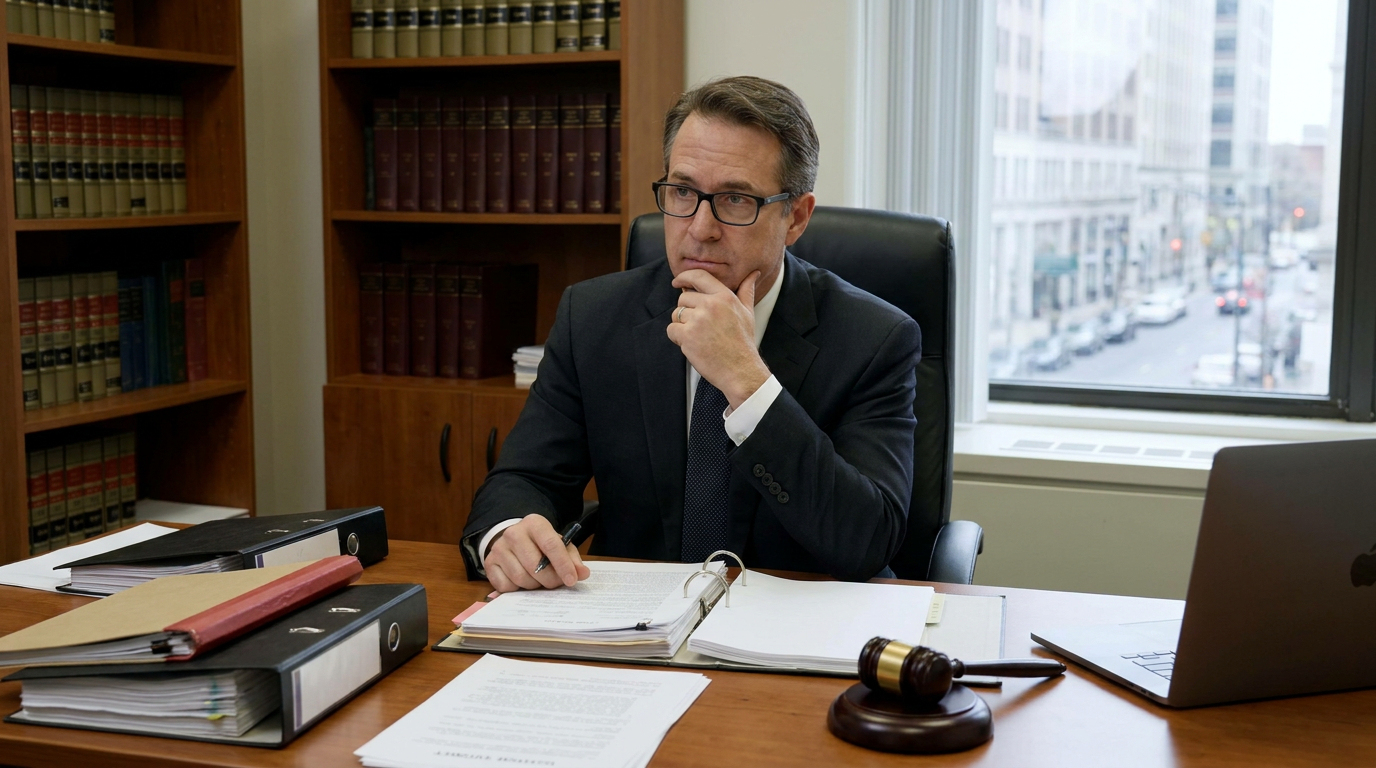
The role of a revocable trust attorney comes with significant legal and ethical responsibilities, and understanding these has helped me appreciate the importance of choosing the right professional.
Ethics Rules When an Attorney Serves as Trustee
In some cases, an attorney may offer to serve as the trustee of the revocable trust they’ve helped create. While this is legally permissible, my research revealed that it raises important ethical considerations. Attorneys who serve in this dual capacity must follow strict ethics rules, including providing informed consent disclosures and addressing any potential conflicts of interest.
When my attorney discussed this possibility with me, they were transparent about the implications and ensured I understood my options. Ultimately, I chose to name a family member as my primary trustee and my attorney as a backup, but I appreciated the candid conversation about the potential conflicts involved.
Staying Current With Changing Laws
Estate planning law is not static. It evolves over time as legislatures pass new laws and courts issue new rulings. A competent revocable trust attorney stays current with these changes and advises clients accordingly. For example, I recently learned about a significant update in Minnesota law that took effect in 2025. Under this change, agents acting under a Power of Attorney generally cannot revoke or amend a trust unless that authority is expressly granted in the POA document or the trust itself. This is the kind of nuanced legal detail that could have serious consequences if overlooked, and it underscores why having a knowledgeable attorney on my side is so important.
My attorney proactively reached out to me when this law changed to review my existing documents and ensure that my Power of Attorney and trust were aligned with the new requirements. That kind of ongoing attention is something I simply couldn’t get from an online document service.
When considering estate planning options, many individuals find themselves exploring the benefits of a revocable trust, which can provide flexibility and control over assets during one’s lifetime. For those seeking to understand the nuances between different types of trusts, a helpful resource is an article that outlines the differences between revocable and irrevocable trusts. You can read more about it in this informative piece here. Consulting with a qualified revocable trust attorney can also help clarify your options and ensure that your estate plan aligns with your goals.
Updating and Maintaining Your Revocable Trust Over Time
| Metrics | Data |
|---|---|
| Number of Revocable Trusts Created | 100 |
| Succession Planning Cases Handled | 50 |
| Years of Experience | 15 |
| Client Satisfaction Rate | 95% |
Creating a revocable trust is not a one-and-done event. Life changes, and my trust needs to change with it. My revocable trust attorney has been an invaluable partner in keeping my trust current and effective.
When to Review and Update Your Trust
I’ve learned that several life events should trigger a review of my revocable trust. These include marriage, divorce, the birth or adoption of a child, the death of a beneficiary or trustee, significant changes in my financial situation, the acquisition or sale of major assets, and changes in tax laws or estate planning regulations.
My attorney recommends that I review my trust at least every three to five years, even if no major life events have occurred. This regular review ensures that the trust continues to reflect my current wishes and that it complies with any new legal requirements.
The Cost of Not Updating
I’ve seen cases where people created a revocable trust years ago and never updated it. The consequences can be severe. Outdated trusts may include provisions for ex-spouses, deceased beneficiaries, or assets that no longer exist. They may also fail to account for new assets that were never transferred into the trust. In the worst cases, an outdated trust can lead to the very probate proceedings and family disputes it was designed to prevent.
By working with my revocable trust attorney on an ongoing basis, I’ve been able to avoid these pitfalls and ensure that my estate plan remains a living, breathing document that accurately reflects my current situation and goals.
If you’re considering setting up a revocable trust, it can be beneficial to consult with a qualified attorney who specializes in estate planning. Understanding the nuances of trust law can help ensure that your assets are managed according to your wishes. For those interested in how legal agreements can impact asset management, you may find this article on prenuptial agreements particularly insightful, as it discusses how such agreements can integrate with estate planning strategies.
Choosing the Right Revocable Trust Attorney
Not all attorneys are created equal, and choosing the right revocable trust attorney is one of the most important decisions I’ve made in my estate planning journey.
What to Look For
When I was searching for an attorney, I looked for someone with specific experience in estate planning and trust law, not just a general practitioner who handles trusts on the side. I wanted someone who understood the intricacies of trust funding, tax planning, and the legal landscape in my state. I also valued clear communication — I needed an attorney who could explain complex legal concepts in plain language and who was willing to take the time to answer my questions.
Questions to Ask Before Hiring
Before I hired my attorney, I asked several important questions: How many revocable trusts have you drafted? Do you assist with funding the trust, or is that my responsibility? How do you stay current with changes in estate planning law? What are your fees, and what do they include? Do you offer ongoing review and update services? These questions helped me gauge the attorney’s experience, approach, and commitment to client service.
The Value of a Long-Term Relationship
One of the most important things I’ve come to appreciate is the value of having a long-term relationship with my revocable trust attorney. Estate planning isn’t a transaction — it’s an ongoing process. Having an attorney who knows my family, understands my goals, and is familiar with my financial situation means that updates and adjustments can be made quickly and efficiently. It also means that when legal changes occur, I have someone in my corner who is already thinking about how those changes affect me.
In conclusion, the role of a revocable trust attorney is multifaceted and profoundly important. From drafting and funding the trust to advising on tax implications, planning for incapacity, and navigating evolving legal landscapes, these professionals provide the expertise and guidance that I simply couldn’t replicate on my own. If you’re considering a revocable trust as part of your estate plan, I strongly encourage you to invest in a qualified attorney who can help you do it right. The peace of mind alone is worth every penny.
FAQs
What is a revocable trust?
A revocable trust is a legal arrangement where an individual (the grantor) transfers ownership of their assets into a trust, which is managed by a trustee for the benefit of the trust’s beneficiaries. The grantor retains the ability to make changes or revoke the trust during their lifetime.
What is the role of a revocable trust attorney?
A revocable trust attorney specializes in creating, amending, and administering revocable trusts. They provide legal advice and guidance to individuals seeking to establish a revocable trust, ensuring that the trust is properly structured and complies with state laws.
What are the benefits of a revocable trust?
Some benefits of a revocable trust include avoiding probate, maintaining privacy, providing for incapacity, and allowing for smooth asset distribution after the grantor’s death. Additionally, a revocable trust can offer flexibility and control over the distribution of assets.
When should I consider creating a revocable trust?
Individuals may consider creating a revocable trust if they want to avoid the probate process, maintain privacy, provide for the management of their assets in the event of incapacity, or have specific wishes for the distribution of their assets after their death.
How do I choose a revocable trust attorney?
When choosing a revocable trust attorney, it is important to consider their experience and expertise in estate planning and trust administration. It is also beneficial to seek recommendations from trusted sources and to schedule consultations with potential attorneys to discuss their approach and fees.