Marilyn Monroe’s Estate: Her Will, Net Worth and the Publicity-Rights Fight
Marilyn Monroe left most of her estate to her acting coach, Lee Strasberg. Her will, signed January 14, 1961, gave her secretary up to $40,000, then split the balance 25% to her psychiatrist, Dr. Marianne Kris, and 75% to Strasberg, according to the Ninth Circuit’s 2012 opinion in Milton H. Greene Archives, Inc. v. Marilyn Monroe LLC. That court also ruled that her estate couldn’t claim California’s post-death publicity right, because for 40 years her executors told courts she died a New York resident.
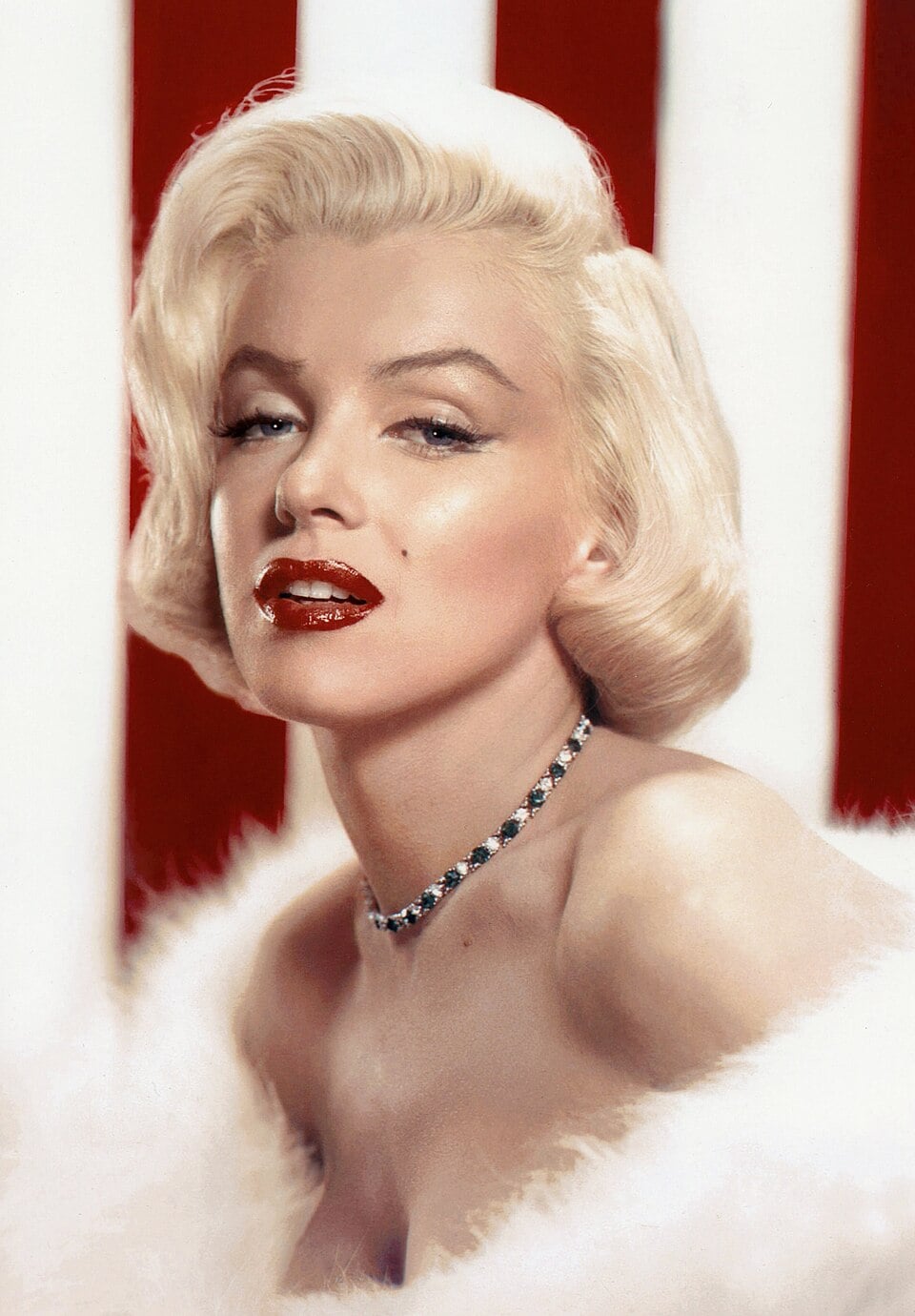
Monroe’s estate matters to anyone with a name, a business or a body of work, because the biggest asset turned out to be her name and image, and a clause in a 1961 will decided who controlled it. The facts below come from the Ninth Circuit’s published opinion, the text of California Civ. Code § 3344.1 and NPR’s reporting.
A 1961 will left most of the estate to her acting coach
The residuary clause decides who gets everything you didn’t list, including a name, a brand or a royalty stream. In Monroe’s will it sent 75% of the balance, after a bequest to her secretary, to Lee Strasberg, her acting coach, according to the Ninth Circuit’s 2012 opinion, and when Strasberg died his share went to his widow. See what a residuary estate is and will versus living trust.
Her will, her executor and her probate were all in New York, the state whose law later decided the publicity-right claim. Monroe signed her will on January 14, 1961, in New York City and named New York attorney Aaron Frosch her executor, the Ninth Circuit recounted in 2012. She was found dead in her Brentwood home in Los Angeles on August 5, 1962, the court said. The New York Surrogate’s Court admitted the will to probate on October 30, 1962, and Frosch served as executor until he died in 1989. An executor can serve for decades, and Frosch served 27 years. If yours isn’t working out, see whether you can remove an executor in California.
| Beneficiary | Share under the residuary clause |
|---|---|
| May Reis, her private secretary | $40,000, or 25% of the remainder if that was less |
| Dr. Marianne Kris, her psychiatrist | 25% of the balance, for psychiatric institutions or groups Kris chose |
| Lee Strasberg, her acting coach | 75% of the balance (the “entire remaining balance”) |
Kris and Strasberg each passed their interests to someone else when they died. Kris died in 1980 and left her interest to the Hampstead Child-Therapy Clinic of London, now the Anna Freud Center. Strasberg died in 1982 and left his share to his wife, Anna Strasberg. Reis received the full $40,000 because the residual estate was “significantly greater than $160,000,” the court said. The New York court appointed Anna Strasberg executor after Frosch died in 1989. In 2001 it decreed the estate settled and moved the remaining assets into Marilyn Monroe LLC, a Delaware company managed by Anna Strasberg. She and the Anna Freud Center were its only members, with 75% and 25% interests.
Say in writing who gets your personal items, and who decides if the instructions aren’t clear. NPR reported in 2012 that Monroe’s will set up a trust to care for her mother, left money to her half-sister and made bequests to a poet friend and his wife and to her psychoanalyst, Marianne Kris. NPR also said she stated in the will that she wanted her personal effects and clothing to go to friends and colleagues, and reported that in 1999 Anna Strasberg had Christie’s auction many of Monroe’s belongings, including the gown she wore to sing to President Kennedy, which sold for more than $1 million. See how to update a will.
No source gives a verified total, and her name kept earning
Be wary of any figure for what Monroe’s estate was worth, because no source I could load gives a verified total. The only dollar floor in a court record is the Ninth Circuit’s 2012 statement that her residual estate was “significantly greater than $160,000.” Figures online run from about $370,000 to $1.6 million. I couldn’t trace them to a probate inventory, so I’m not repeating them as fact. Estimates vary because the inventory totals aren’t published in the reporting and court opinions I reviewed, and I can’t tell whether the online numbers count her Brentwood house, her debts or later costs of the estate.
If your name or work may keep earning after you’re gone, it’s worth knowing who will own it, because Monroe’s name was her biggest asset. NPR reported in 2012 that Monroe was “making more money than ever” 50 years after her death, and that Anna Strasberg later sold what remained of the estate for an estimated $20 million to $30 million. I found no reliable source for what the estate is worth today.
California’s 2007 amendment would have given her estate a publicity right if California law applied
The Ninth Circuit held in 2012 that Monroe’s estate couldn’t claim California’s publicity right, because New York law governed. The 2007 amendment to Civ. Code § 3344.1 would have mattered to her estate because it made California’s post-death right of publicity count as if it had existed when a celebrity died before January 1, 1985, and let it pass through the will’s residuary clause, the Ninth Circuit explained in 2012.
Before 1984, California courts held that a celebrity’s right of publicity ended at death, the Ninth Circuit noted, citing the California Supreme Court’s 1979 decision in Lugosi v. Universal Pictures. The Legislature enacted section 3344.1 in 1984 without saying whether it reached back to earlier deaths. In May 2007 a federal district court ruled that Monroe’s company didn’t own her right of publicity. In June 2007 Senator Sheila Kuehl turned Senate Bill 771 into an amendment of section 3344.1, “in direct response” to that ruling, the Ninth Circuit said, and it was enacted that year. The current statute still says the rights “shall be deemed to have existed at the time of death” of anyone who died before January 1, 1985. It also says a residuary clause transfers the rights if the will doesn’t mention them.
Forty years of statements that she died in New York kept the estate from using it
What you or your executor tell a court or a tax agency about where you live can bind your heirs decades later, and Monroe’s estate is the example. The Ninth Circuit held in 2012 that the estate was judicially estopped from claiming she died a California resident, so New York law applied, and New York has no such right. If you moved to California, read what to check if you move to California, and if you own property in more than one state, see ancillary probate in California.
The Ninth Circuit held Monroe’s estate to what its own executors told courts. For 40 years Frosch, and later Anna Strasberg, told courts that Monroe died domiciled in New York. In California the estate’s lawyers sent the inheritance tax appraiser affidavits saying she was a nonresident, and the appraiser reported to the Los Angeles County Superior Court on April 5, 1967, that she died a New York resident. That position kept substantially all of her assets out of California inheritance tax. The estate paid $777.63 to California.
That history decided the lawsuit Marilyn Monroe LLC and its licensee filed in 2005 against photographers’ archives over use of her image. After SB 771 passed, the district court agreed the amendment applied retroactively but still ruled for the photographers, because the estate was estopped on domicile. The Ninth Circuit affirmed on August 30, 2012 (692 F.3d 983). Judge Wardlaw wrote that Monroe’s representatives “took one position on Monroe’s domicile at death for forty years” and then changed it, and called the case a “textbook case” for judicial estoppel. Because Monroe was treated as a New York domiciliary, New York law governed. The Ninth Circuit said that law has no posthumous right of publicity, so the residuary clause had none to pass on.
The estate was sold, and I found no current ownership filing
As of NPR’s 2012 report, Authentic Brands Group had bought what remained of the estate for an estimated $20 million to $30 million, with Anna Strasberg staying on as a minority partner. I didn’t find a current ownership filing, so treat that as a 2012 snapshot.
I can’t say what Monroe intended or whether a different plan would have changed anything. To set up your own plan, start with estate planning at Ridley Law.
Related celebrity estates
- Celebrity Estates: What Famous Wills, Trusts and Probate Fights Teach
- Michael Jackson’s estate and the IRS valuation fight over his image and likeness
- Robin Williams’ estate: the trust and the 25-year likeness restriction
Frequently asked questions
Did Marilyn Monroe have a will?
Yes. She signed it on January 14, 1961, in New York City, and named New York attorney Aaron Frosch her executor, the Ninth Circuit recounted in 2012.
Who inherited Marilyn Monroe’s estate?
Lee Strasberg, her acting coach, received the largest share: 75% of the balance after a bequest to her secretary, according to the Ninth Circuit’s 2012 opinion.
What was Marilyn Monroe’s net worth when she died?
No source I could load gives a verified total, and the only dollar floor in a court record is the Ninth Circuit’s 2012 statement that her residual estate was “significantly greater than $160,000.”
What did California’s 2007 amendment to Civil Code § 3344.1 do?
It made California’s post-death right of publicity count as if it had existed when a celebrity died before January 1, 1985, and let it pass through the will’s residuary clause, the Ninth Circuit explained in 2012.
Why didn’t the 2007 amendment give Monroe’s estate her publicity rights?
Because the Ninth Circuit held in 2012 that the estate was judicially estopped from claiming she died a California resident, so New York law applied, and New York has no such right.
Who owns Marilyn Monroe’s estate now?
As of NPR’s 2012 report, Authentic Brands Group, which bought what remained of the estate for an estimated $20 million to $30 million, with Anna Strasberg staying on as a minority partner.
Want a straight read on where you stand?
Talk to Eric. A free call, no pitch. He’ll tell you where you’re exposed, what it would cost to fix, and what you can skip.
Talk to Eric