PARENTS & HOMEOWNERS: MY 7-STEP ESTATE PLANNING PROCESS WILL PROTECT YOUR HEIRS
From Creditors, Predators & Bad Choices, And Will Help You Become a (Bigger) Hero to Your Family!


Navigating Probate: Why You Need a Probate Estate Lawyer
When I first encountered the probate process after losing a close family member, I was completely overwhelmed. I thought settling an estate would be straightforward — file some paperwork, distribute the assets, and move on with the grieving process. I quickly learned that probate is anything but simple. Between court filings, creditor notifications, asset inventories, and legal deadlines, I found myself drowning in a sea of complexity that I was entirely unprepared to handle. That experience taught me a profound lesson: having a probate estate lawyer by your side is not a luxury — it is an absolute necessity. In this article, I want to share everything I have learned about navigating probate and explain why hiring a qualified probate estate lawyer can save you time, money, stress, and potentially your family’s relationships.
Before I dive into why you need a probate estate lawyer, I think it is important to understand what probate actually is and how it works. Probate is the legal process through which a deceased person’s estate is administered and distributed. When someone passes away, their assets, debts, and final affairs do not simply resolve themselves. There is a formal legal procedure that must be followed, and it is overseen by a probate court.
What Happens During Probate
During probate, the court validates the deceased person’s will (if one exists), appoints a personal representative or executor, and supervises the administration of the estate. This process includes identifying and inventorying all assets, notifying creditors and beneficiaries, paying outstanding debts and taxes, and ultimately distributing the remaining assets to the rightful heirs. If there is no will, the estate is distributed according to the state’s intestacy laws, which may not align with what the deceased person would have wanted.
How Long Does Probate Take
One of the things that surprised me most was how long probate can take. I initially assumed the process would wrap up in a few weeks or perhaps a couple of months. In reality, probate can take anywhere from several months to well over a year, depending on the complexity of the estate and the workload of the court. In recent years, court delays and backlogs have increased significantly. Heavier court workloads, staffing shortages, and a rising number of contested cases have slowed the probate process in many jurisdictions. These longer timelines raise the risk of litigation and disputes among beneficiaries, which only compounds the stress and expense involved.
Informal vs. Formal Probate
I also learned that there are different types of probate proceedings. Many families opt for informal probate administration because it is generally faster and less expensive than formal probate. In informal probate, there is less court supervision, and the personal representative has more autonomy to manage the estate. However, I want to caution you that informal probate is not always as easy as it sounds. I have seen cases where informal administration leads to additional disputes, unexpected paperwork, and complications that families were not prepared to handle. Just because the process is labeled “informal” does not mean it is simple, and having an attorney to guide you through even an informal proceeding can be incredibly valuable.
When navigating the complexities of probate law, the credibility of your legal representation can significantly impact the outcome of your case. For insights on the importance of credibility in legal proceedings, you may find the article “Why Your Credibility Is So Important in a Lawsuit” particularly enlightening. It discusses how trust and reliability can influence the perception of a case, which is crucial when dealing with sensitive matters such as estate planning and probate. You can read the article here: Why Your Credibility Is So Important in a Lawsuit.
Why Probate Is Getting More Complex
I have noticed that the probate landscape has changed dramatically in recent years. The estates that families are dealing with today are far more complex than they were a generation ago. Several emerging issues have made even seemingly “simple” estates harder to manage.
Digital Assets and Modern Complications
One of the biggest new challenges in probate involves digital assets. When I think about my own life, I realize how much of my financial existence is digital — online bank accounts, cryptocurrency holdings, social media accounts, digital photo libraries, subscription services, and cloud-stored documents. When someone passes away, accessing and managing these digital assets can be extraordinarily difficult. Many platforms have their own policies regarding deceased users, and without proper documentation or access credentials, personal representatives may struggle to gain control of these assets. A probate estate lawyer who understands the evolving legal landscape surrounding digital assets can help navigate these modern complications.
Blended Families and Disputes
Another factor that has made probate more complex is the prevalence of blended families. When a deceased person has children from multiple relationships, a current spouse, stepchildren, and various other family dynamics at play, disputes over asset distribution become far more likely. I have witnessed firsthand how quickly family relationships can deteriorate during probate when different parties feel they are entitled to a larger share of the estate. A probate lawyer can serve as a neutral guide, helping to mediate disputes and ensure that the legal process is followed correctly.
Medicaid Recovery and Title Problems
I was also surprised to learn about Medicaid estate recovery, which is a process by which the state seeks reimbursement for Medicaid benefits paid on behalf of the deceased. This can significantly reduce the value of an estate and create unexpected complications for beneficiaries. Additionally, title problems with real estate — such as unclear ownership, liens, or boundary disputes — can stall the probate process and require extensive legal work to resolve. These are the kinds of issues that a knowledgeable probate estate lawyer can anticipate and address before they become major obstacles.
The Demanding Role of the Executor
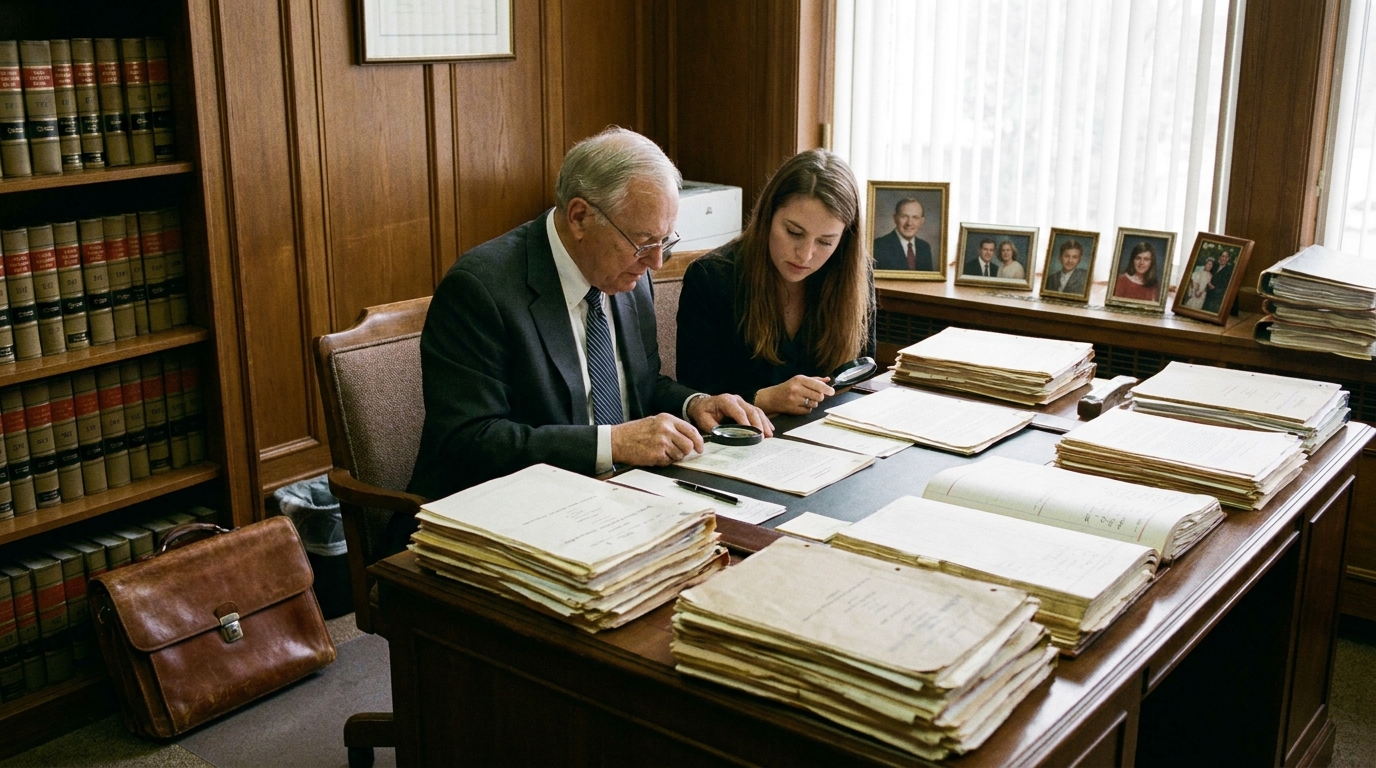
When I was named as an executor for a family member’s estate, I had no idea what I was getting myself into. The role of the personal representative, also known as the executor, is far more demanding than most people realize. It is a position that carries serious fiduciary responsibilities, and mistakes can have significant legal and financial consequences.
Fiduciary Duties and Responsibilities
As an executor, I was legally obligated to act in the best interests of the estate and its beneficiaries. This meant I had to carefully manage the estate’s assets, avoid conflicts of interest, keep detailed records of all transactions, and make decisions that were prudent and fair. I had to handle outstanding debts, send formal notices to creditors, prepare a comprehensive asset inventory, file tax returns, and ensure that all court requirements were met on time. The weight of these responsibilities was immense, and I constantly worried about making a mistake that could expose me to personal liability.
Common Mistakes Executors Make
I have seen executors make costly errors that could have been easily avoided with proper legal guidance. Some of the most common mistakes include distributing assets before all debts and taxes are paid, failing to properly notify creditors within the required timeframe, mishandling estate funds, neglecting to file required court documents, and making decisions that favor one beneficiary over another. Each of these mistakes can lead to legal challenges, financial penalties, and personal liability for the executor. This is precisely why I believe every executor should work closely with a probate estate lawyer from the very beginning of the process.
How a Probate Estate Lawyer Protects You
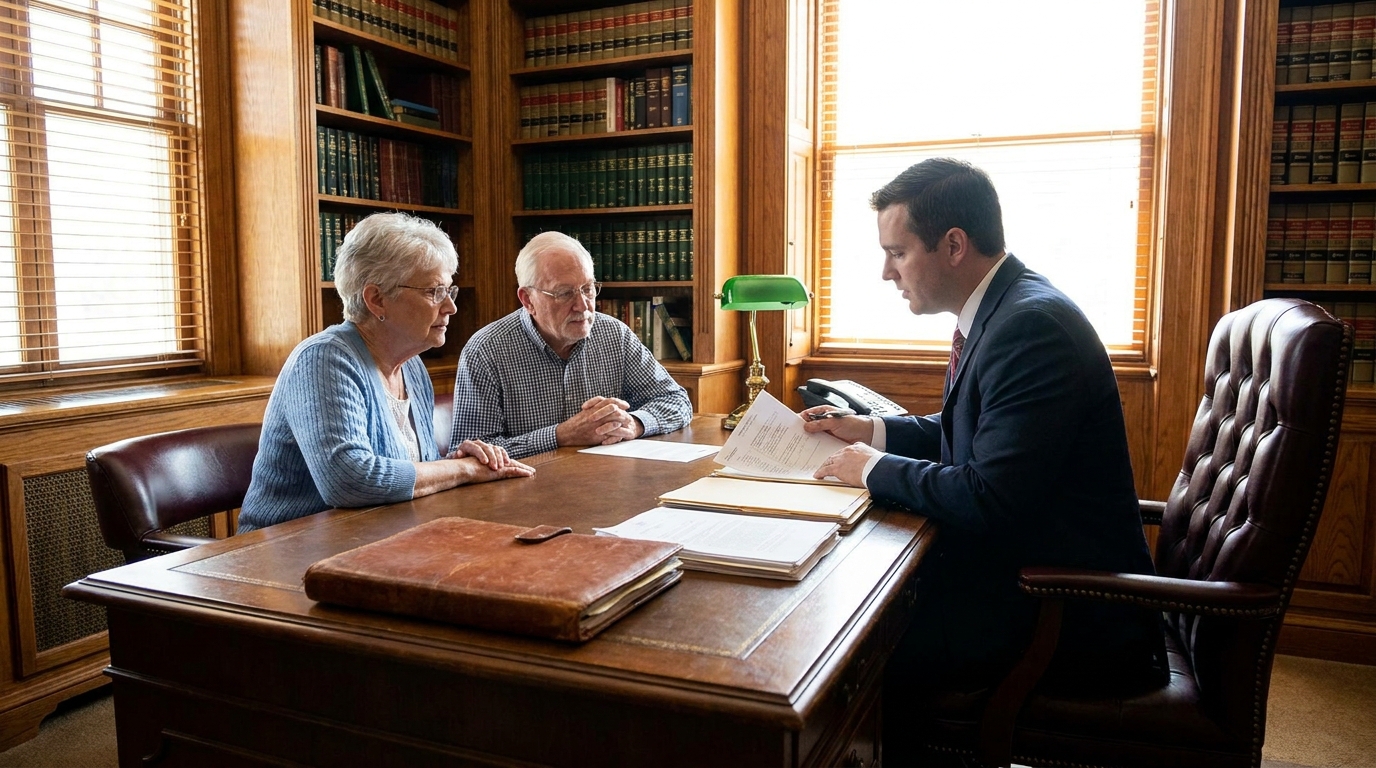
I cannot overstate the value that a probate estate lawyer brings to the table. When I finally hired an attorney to help me navigate the probate process, it was like a weight was lifted off my shoulders. The lawyer handled the legal complexities, kept me informed about deadlines and requirements, and helped me avoid the pitfalls that trip up so many executors and beneficiaries.
Guiding Filings and Deadlines
Probate involves a significant amount of paperwork and strict deadlines. Missing a filing deadline or submitting incorrect documents can delay the process, result in penalties, or even lead to the court removing the personal representative. A probate estate lawyer ensures that all filings are completed accurately and on time, keeping the process moving forward as smoothly as possible.
Managing Creditor Claims
Dealing with creditor claims was one of the most stressful aspects of the probate process for me. Creditors must be formally notified of the death, and they have a specific window of time to file claims against the estate. A probate lawyer can help evaluate the validity of creditor claims, negotiate settlements when appropriate, and ensure that the estate is not paying more than it owes. This expertise can save the estate — and ultimately the beneficiaries — a significant amount of money.
Handling Asset Transfers and Court Requirements
Transferring assets to beneficiaries involves more than simply handing over property or writing checks. Depending on the type of asset, there may be legal documents to prepare, titles to transfer, tax implications to consider, and court approvals to obtain. A probate estate lawyer manages all of these details, ensuring that asset transfers are completed legally and efficiently. They also handle all interactions with the court, representing the estate in hearings and addressing any issues that arise during the administration process.
Reducing Stress and Legal Risk
Perhaps the most important benefit of hiring a probate estate lawyer is the peace of mind it provides. Knowing that a qualified professional is managing the legal aspects of the estate allows the executor and the family to focus on what truly matters — grieving their loss and supporting one another. By reducing the risk of legal errors and disputes, a probate lawyer also helps protect the executor from personal liability and ensures that the estate is administered in accordance with the law.
When considering the complexities of managing a probate estate, it’s essential to understand the legal documents that play a crucial role in the estate planning process. A related article discusses the top five legal documents everyone should have in their estate plan, which can provide valuable insights for those navigating probate matters. You can read more about these essential documents by visiting this informative resource. Having a comprehensive estate plan can significantly ease the probate process and ensure that your wishes are honored.
The Importance of Incapacity Planning
| Metrics | Data |
|---|---|
| Number of Probate Cases Handled | 50 |
| Success Rate in Probate Cases | 90% |
| Average Time to Settle Probate Estate | 6 months |
| Client Satisfaction Rate | 95% |
One of the most important lessons I have learned through my probate experience is that planning should begin long before someone passes away. Incapacity planning matters more than ever, and failing to prepare can create additional legal proceedings that complicate matters even before probate begins.
Powers of Attorney and Healthcare Directives
Without proper powers of attorney and healthcare directives in place, families may be forced to pursue guardianship or conservatorship proceedings if a loved one becomes incapacitated. These proceedings are time-consuming, expensive, and emotionally draining. They also add layers of legal complexity that could have been avoided with proper planning. I strongly encourage everyone to work with an estate planning attorney to establish these critical documents while they are still healthy and able to make decisions for themselves.
How Planning Ahead Simplifies Probate
When I look back at the probate cases I have been involved with, the ones that went smoothly were always the ones where the deceased had done thorough estate planning. Having a clear, well-drafted will, designated powers of attorney, healthcare directives, and organized financial records makes the probate process significantly easier for everyone involved. It reduces the likelihood of disputes, speeds up the administration process, and ensures that the deceased person’s wishes are honored.
When navigating the complexities of estate planning, many individuals find themselves in need of a probate estate lawyer to ensure their wishes are honored after their passing. Understanding the role of legal professionals in this area can be crucial for families, especially when it comes to matters of guardianship. For more insights on how guardianship attorneys can safeguard family interests, you can read this informative article on how guardianship attorneys protect families in Camarillo. This resource highlights the importance of having knowledgeable legal support during challenging times.
How to Avoid or Minimize Probate
After going through the probate process, I became determined to learn how to minimize or avoid it entirely for my own estate. The good news is that with proper estate planning, many assets can be kept out of probate altogether, saving your loved ones time, money, and stress.
Trusts and Beneficiary Designations
One of the most effective tools for avoiding probate is a revocable living trust. By transferring assets into a trust during your lifetime, those assets pass directly to your beneficiaries upon your death without going through probate. Similarly, beneficiary designations on accounts such as life insurance policies, retirement accounts, and bank accounts allow those assets to transfer directly to the named beneficiaries outside of the probate process. I have found that these strategies, when implemented correctly, can dramatically simplify the settlement of an estate.
Joint Ownership and Transfer-on-Death Deeds
Other strategies for avoiding probate include joint ownership of property with rights of survivorship and transfer-on-death deeds, which allow real estate to pass directly to a designated beneficiary. These tools are not appropriate for every situation, and they come with their own legal considerations, which is why I recommend working with a probate estate lawyer or estate planning attorney to determine the best approach for your circumstances.
Working With a Lawyer to Create a Comprehensive Plan
I firmly believe that the best time to start planning is now. Whether you are a young adult just starting out or a retiree reviewing your existing estate plan, working with a knowledgeable attorney can help you create a comprehensive plan that protects your assets, honors your wishes, and makes life easier for your loved ones when the time comes. A probate estate lawyer can identify potential issues, recommend strategies to minimize probate involvement, and ensure that your plan is legally sound and up to date.
Final Thoughts
Navigating probate is one of the most challenging experiences a family can face, and the process is only getting more complex. From digital assets and blended family dynamics to court backlogs and increasingly demanding executor responsibilities, the modern probate landscape is fraught with potential pitfalls. I have learned through personal experience that trying to handle probate without professional legal guidance is a recipe for stress, mistakes, and conflict. A probate estate lawyer is your greatest ally in this process. They bring expertise, objectivity, and peace of mind to a situation that is often emotionally charged and legally complicated. Whether you are currently dealing with a probate matter or planning ahead to protect your family, I urge you to seek the guidance of a qualified probate estate lawyer. It is one of the wisest investments you can make.
FAQs
What is a probate estate lawyer?
A probate estate lawyer is a legal professional who specializes in the probate process, which involves the legal distribution of a deceased person’s assets and settling their debts.
What does a probate estate lawyer do?
A probate estate lawyer assists with the administration of a deceased person’s estate, including filing necessary court documents, representing the estate in court, and ensuring that the deceased person’s assets are distributed according to their will or state law.
When is a probate estate lawyer needed?
A probate estate lawyer is typically needed when a person passes away and their estate needs to go through the probate process. This may be necessary if the deceased person owned assets solely in their name, or if there are disputes among beneficiaries or creditors.
How can a probate estate lawyer help with the probate process?
A probate estate lawyer can help navigate the complex legal requirements of the probate process, including identifying and valuing the deceased person’s assets, paying debts and taxes, and distributing assets to beneficiaries. They can also represent the estate in court if necessary.
What should I consider when hiring a probate estate lawyer?
When hiring a probate estate lawyer, it’s important to consider their experience and expertise in probate law, their communication style and fees, and their ability to handle any potential conflicts or disputes that may arise during the probate process.